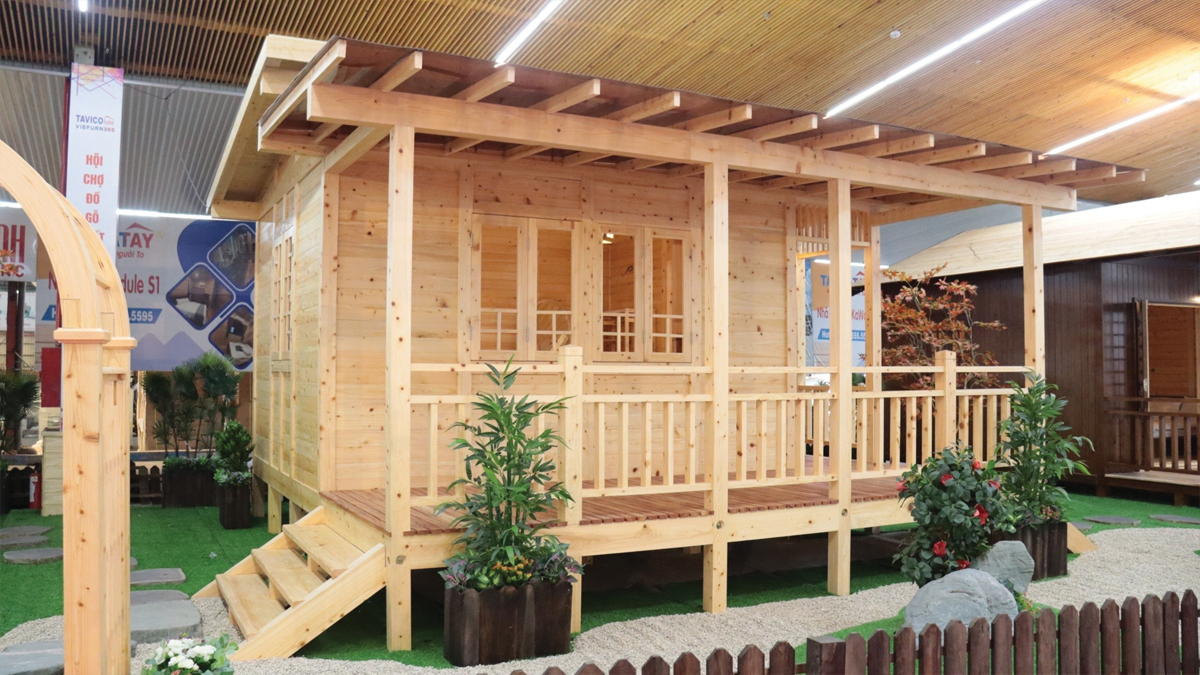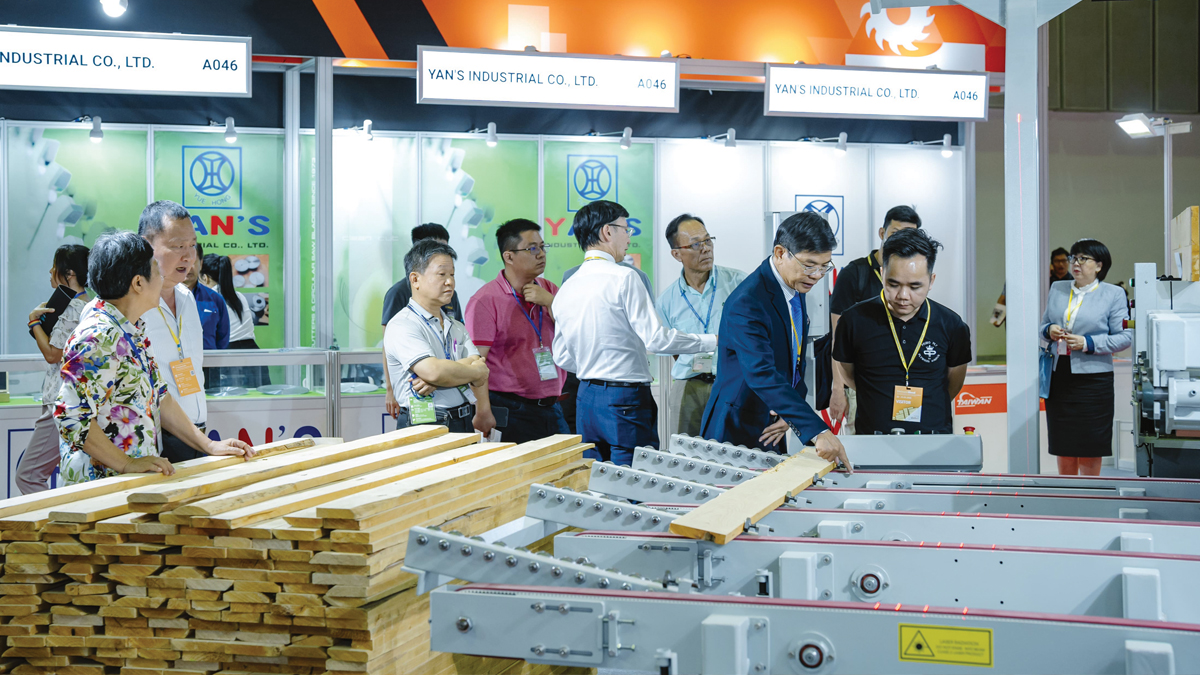


Recent policy changes, including increased tariffs on construction materials and stricter immigration regulations, are reshaping the U.S. labor market and indirectly driving up housing costs. These shifts in policy are affecting the entire supply chain, prompting investors to source materials directly from overseas manufacturers to bypass intermediaries. This presents a significant opportunity for Vietnamese suppliers.
* According to the National Association of Home Builders, the U.S. 30-year mortgage interest rate is expected to drop below 6% by the end of 2025. How do you view this projection?
– This will be a great boost for the real estate market. Lower interest rates reduce the cost of buying a home, making homeownership more accessible. Increased demand, in turn, drives property values higher and enables investors to access financing more easily.
The growth of the U.S. real estate market depends on economic stability, consumer confidence, and employment rates. The country still faces a housing shortage, with demand remaining high. On average, only 1.6 million new homes are built annually, while the population has grown steadily for years. With a strong economy attracting immigrants, housing demand continues to rise, particularly in densely populated areas with abundant job opportunities. In California, home prices have surged in recent years and are expected to continue rising due to supply constraints and inflation.
* Could the growth of the U.S. real estate market spur demand for furniture?
– Beyond new home construction, much of the existing housing stock is aging. This creates opportunities for renovation, which consequently raises a demand for the construction of new furniture. Additionally, Americans frequently relocate for work, creating a steady need for furniture with each move. The growing trend of personalizing living spaces further fuels this demand, as consumers are willing to update their interiors to reflect changing tastes and styles.
Another emerging need is labor. The U.S. construction sector heavily depends on immigrant workers, and stricter immigration policies may exacerbate labor shortages, further increasing production costs. While these factors create challenges, they also open doors for innovative and adaptable suppliers.
* Do you think Vietnamese furniture manufacturers can partner with U.S. real estate developers?
– Definitely. U.S. developers are eager to seek partners who can provide comprehensive, customized furniture solutions – from design and materials to production and installation. This all-in-one approach helps investors save costs, reduce project timelines, and streamline labor needs.
Vietnamese businesses must highlight their strengths, demonstrate clear value, and operate transparently. Developers prefer working with suppliers who can offer complete solutions through a single point of contact, ensuring clear accountability for quality, timelines, and cost control.
The market potential is immense. Vietnam benefits from favorable trade agreements with the U.S. and a strong manufacturing sector, particularly in wooden furniture, which is highly valued by American consumers. However, Vietnamese companies often lack a complete ecosystem – most specialize in a limited product range and operate independently, limiting their ability to secure large-scale projects.
* Will the Virada Community project welcome Vietnamese suppliers?
– Yes! Virada Community is located in Indio, Southern California, home to the world-famous Coachella Music Festival. This prime location offers not only an ideal living environment but also attractive investment opportunities for Vietnamese suppliers of construction materials and interior furnishings.
The project has received construction permits for 1,287 housing units, including single-family homes, condominiums, townhomes, and fourplexes, alongside commercial and hotel developments. Virada Community is conveniently connected to major cities like Los Angeles and San Diego, as well as the Vietnamese-American community in Little Saigon.
* Could you share some advice for Vietnamese furniture businesses looking to enter the U.S. market?
– The U.S. market offers vast opportunities, but it also comes with strict regulations, standards, and complex legal requirements. Businesses must thoroughly understand these aspects before entering the market. It is crucial to research customer segments – from high-end to mid-range, while also including sustainable, eco-friendly furniture. A strategic, well-informed approach, ideally with a knowledgeable local partner, can accelerate market entry and success.
Additionally, businesses should invest in robust customer service systems, as American consumers place high value on after-sales support and flexible return policies. Companies with a long-term and strategic mindset are more likely to succeed in this competitive landscape.
Interview by Minh Khue