

Deputy Minister of Industry and Trade Trần Quốc Khánh speaks at a conference held by the Handicrafts and Wood Industry Association of HCM City in the city yesterday. — VNS Photo
HCM CITY — Vietnamese wood and furniture firms need to improve their designs, distribution and brands to enable Việt Nam to become a global furniture hub, a conference heard in HCM City yesterday.
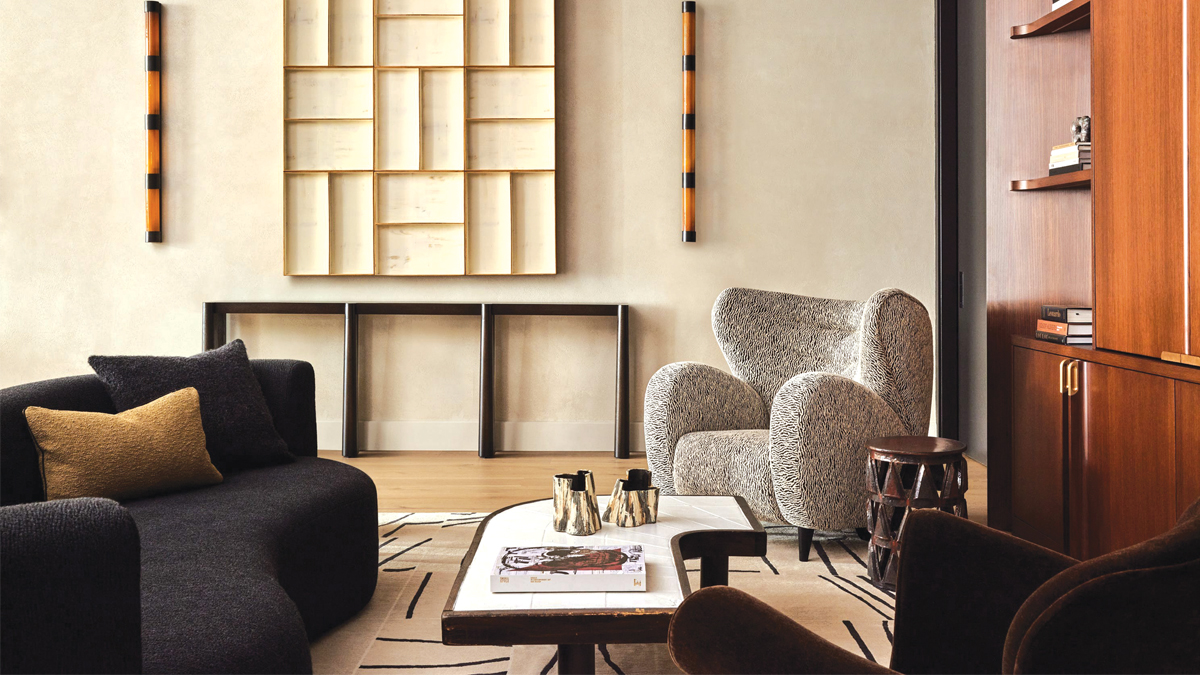
Huỳnh Văn Hạnh, deputy chairman of the Handicrafts and Wood Industry Association of HCM City (Hawa), said Việt Nam was among the world’s largest furniture exporters, trailing only China, Germany, Italy, and Poland.
He quoted Prime Minister Nguyễn Xuân Phúc as saying at a recent conference that Việt Nam must become one of the world’s quality furniture production hubs and the industry must pay more attention to environmental protection and use timber from legal sources.
“Our business community has said no to illegal timber and we strictly use legal timber for our furniture production.
“To achieve the target, we must build brands for Vietnamese furniture so that when people talk about Việt Nam, they will talk about Vietnamese furniture brands.
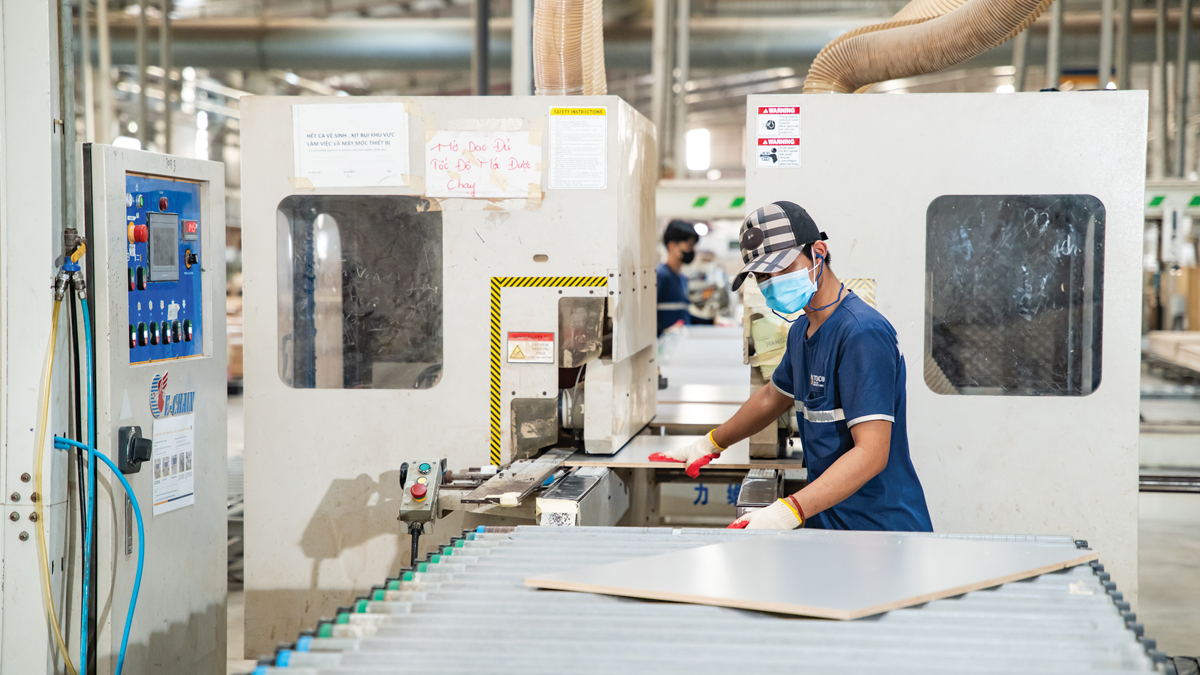
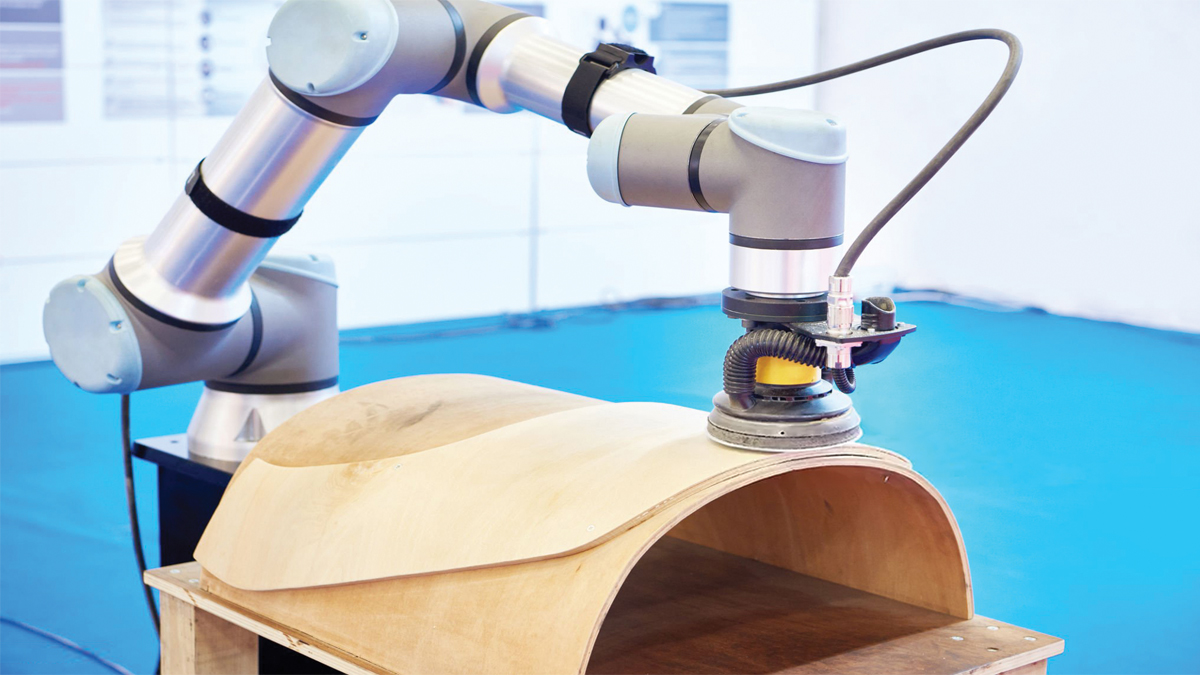
The industry uses a lot of technology and machinery and so human resource training must be enhanced, requiring enterprises to collaborate with universities and colleges and vocational training centres, according to Hạnh.
Besides, companies need to improve their design capacity, build their own brands and develop supporting industries for the sector.
Phạm Phú Ngọc Trai, chairman of Global Integration Business Consultants, said Vietnamese wood processing firms had certain advantages but had not invested in trade.
According to Nguyễn Quốc Khanh, Hawa chairman, wood and forestry product exports have been worth US$9 billion so far this year and the full-year figure is expected to exceed $9.5 billion, a year-on-year increase of 16 per cent.
The US-China trade tension offers opportunities for Vietnamese firms to increase exports to the US since Vietnamese products enjoy zero tax there while Chinese products attract 10 per cent and it could even become 25 per cent if the trade war escalates.
But over 93 per cent of the 4,500 wood processing firms in Việt Nam are small, preventing the sector from developing to potential.
“We have opportunities to improve efficiency in the sector’s value chain,” he said.
He called on businesses to invest more in advanced equipment and technologies to improve their productivity and competitiveness.
“Next year the wood and furniture industry is likely to achieve a breakthrough,” he said.
“In fact, we will become the world’s largest hub for design and production of quality furniture products for the world market.
“We hope that in the near future we will become major suppliers for large global furniture projects.”
EVFTA and CPTPP
Deputy Minister of Industry and Trade Trần Quốc Khánh said if both the EU-Việt Nam Free trade agreement and the Comprehensive Progressive Tran-Pacific Partnership Agreement (CPTPP) come into force next year, they would have a great effect on Vietnamese furniture exports.
The preferential tariffs would help Việt Nam’s wooden industry, known for its quality, to get more new export orders, he said.
Consumers in the EU and other major markets such as the US and Japan are increasingly demanding the use of legal timber in making furniture, and so Việt Nam must strictly comply with the Voluntary Partnership Agreement on Forest Law Enforcement, Governance and Trade that Việt Nam and the EU signed last October, according to Khánh.
Speaking about the US-China trade tension, he said some experts reckoned it would be an opportunity to increase exports to the US and there would even be a shift in investment from China to Việt Nam.
They could be right since in international trade a tax difference of 10 per cent is large, he said.
“In general, there is an opportunity to boost exports but it is not as large as we thought.”
Besides, the opportunity might entail risks since China could use the Vietnamese market to evade US taxes, he said.
“I call on businesses not to indulge in such fraud, and the ministry, customs agencies, and relevant agencies must enhance measures to prevent it.”
Organized by Hawa, the seminar attracted more than 300 wood and furniture businesses. — VNS
Read more at http://vietnamnews.vn/economy/481673/viet-nam-aims-to-become-furniture-hub.html#5JYHOWDFZfcb8F2V.99