
Nghia Son strengthened its presence in the U.S. market by establishing an office and setting up six warehouses across key states. This ensures delivery within 48 hours. Such strategic choices build competitive brands in the wood and furniture industry.
* Founded in 2006, Nghia Son has primarily focused on exporting to the European market for nearly two decades. Why has the company recently shifted its focus towards the U.S. market?
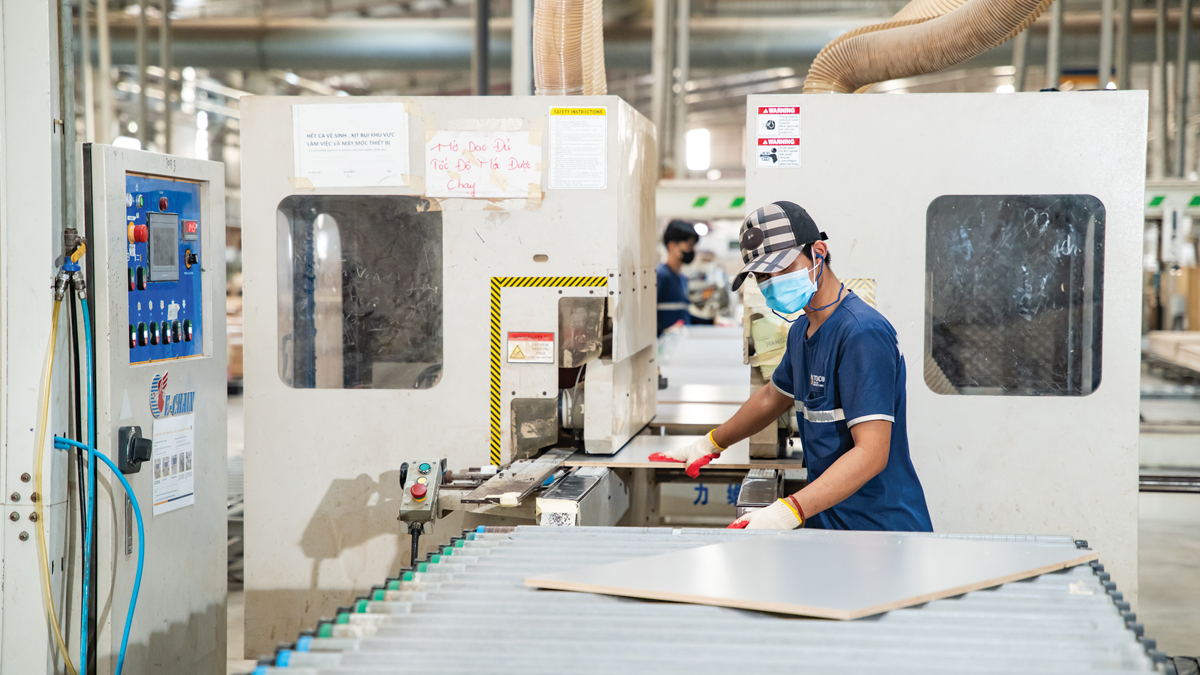
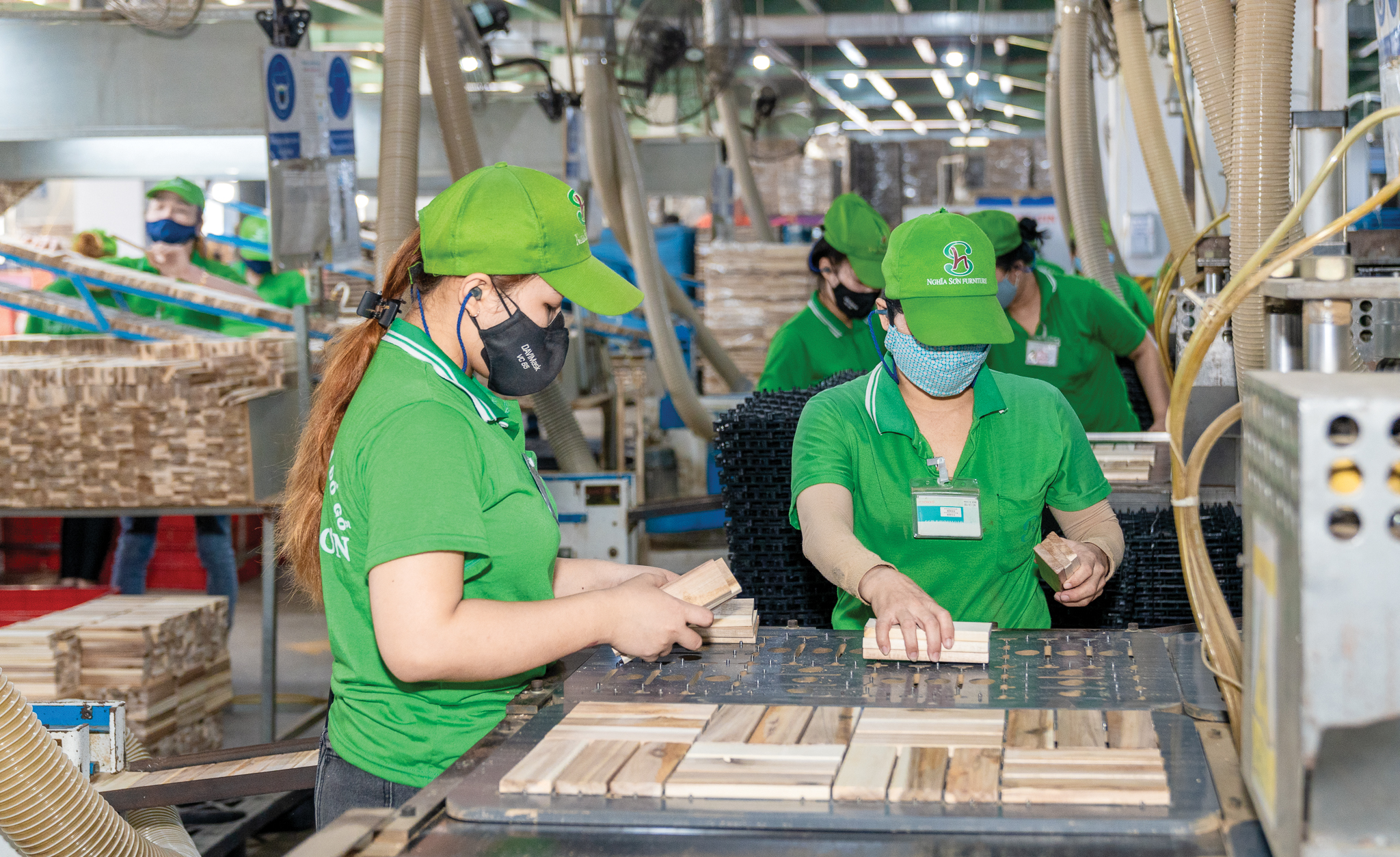
– Since our early days, like many companies in the industry, Nghia Son has specialized on OEM manufacturing, with outdoor decking tiles as our core product. At our peak, our three factories employed over 1,000 workers. About 80% of our products were exported to Europe, with the remainder serving the U.S. and Japanese markets.
By strictly adhering to European market standards, we have consistently followed international requirements. These range from BSCI’s human development policies to FSC’s sustainability and traceability standards, as well as ISO certifications. More recently, we’ve complied with EUDR regulations and the CBAM mechanism. While Europe remains our primary manufacturing market, the rapid rise of e-commerce has opened a new path that aligns perfectly with the U.S. market.
* What opportunities do you see for the furniture industry in the U.S.?
– According to the latest report from Amazon Global Selling, the U.S. e-commerce market for indoor and outdoor furniture is growing by more than 30% annually, and is projected to reach $165 billion by 2024. This sales channel allows businesses to connect directly with consumers, but it also requires investment in other aspects of the supply chain, like design, commerce, and marketing.
Traditional furniture stores and retail chains in the U.S. and Europe have declined due to the rise of e-commerce. While Vietnamese furniture manufacturers have strong production capabilities, many remain content with the status quo. In 2023, a downturn in orders forced businesses to rethink their strategies and seek more sustainable paths. I believe e-commerce is the gateway for Vietnamese furniture manufacturers to integrate into new value chains.
* Chinese companies have been quick to catch the online furniture wave. Can Vietnamese businesses compete?
– Chinese companies are incredibly agile. On average, they generate between $300 million and $800 million in annual online sales. I have personally seen firms reaching $1 billion in furniture sales through online platforms. They move fast and invest heavily in infrastructure – from logistics to warehousing. Chinese companies have almost built a complete online furniture supply chain across the U.S.
However, this does not mean Vietnamese companies cannot compete. The market is massive and still evolving. In recent years, many Vietnamese businesses have boldly entered this space, particularly those based in northern provinces.
* How has Nghia Son invested in e-commerce for the U.S. market?
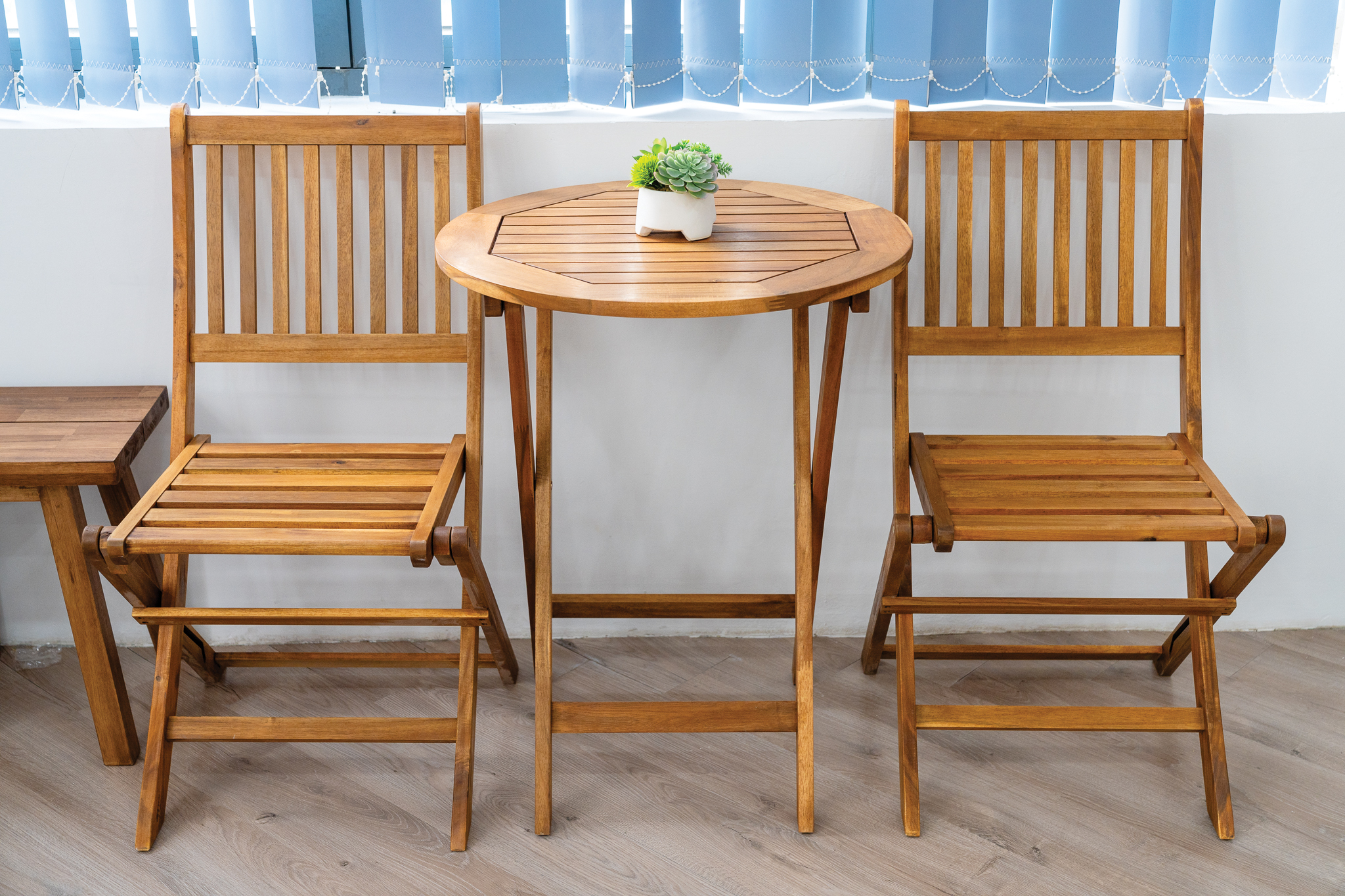
– Online shoppers expect fast delivery. Beyond Amazon’s warehouses, Nghia Son has established six warehouses in the U.S., mostly on the West Coast, to meet the 48-hour delivery standard. In addition to product design, we have developed our own brand, Victory Relax Group, and invested strategically in brand identity, marketing, and visual content.
We suffered significant losses in the first two years. However, by closely observing the market and understanding online consumer trends, we made timely adjustments. Today, customer reception has been positive – we fulfill an average of 100 orders per day. For well-prepared furniture businesses, reaching 1,000 daily orders is entirely feasible. Of course, achieving that level is not easy; the journey requires significant effort and perseverance.
* What is the strategy for growing Victory Relax Group in the U.S.?
– I see e-commerce as a vast ocean, filled with platforms like Amazon and Wayfair. The stronger companies swim farther. It’s difficult for a Vietnamese company to compete directly with Chinese firms, as they move so quickly and have vast resources. However, Vietnamese businesses can form alliances, leveraging each other’s strengths to compensate for weaknesses – a strategy that I believe enhances competitiveness.
The lessons from past failures have given Nghia Son invaluable experience in navigating e-commerce. Yet, as an OEM-originated company, our current limitation is a relatively narrow product range. Our goal is to expand partnerships with domestic furniture manufacturers, allowing us to grow together.
In the next three years, my target is for 100% of Nghia Son’s products to be sold abroad through the B2C model. I firmly believe that by moving beyond reliance on OEM orders and reaching consumers directly with our own brand and designs, we can establish a truly sustainable growth path.
* Thank you!
Interview by Hoang Yen