

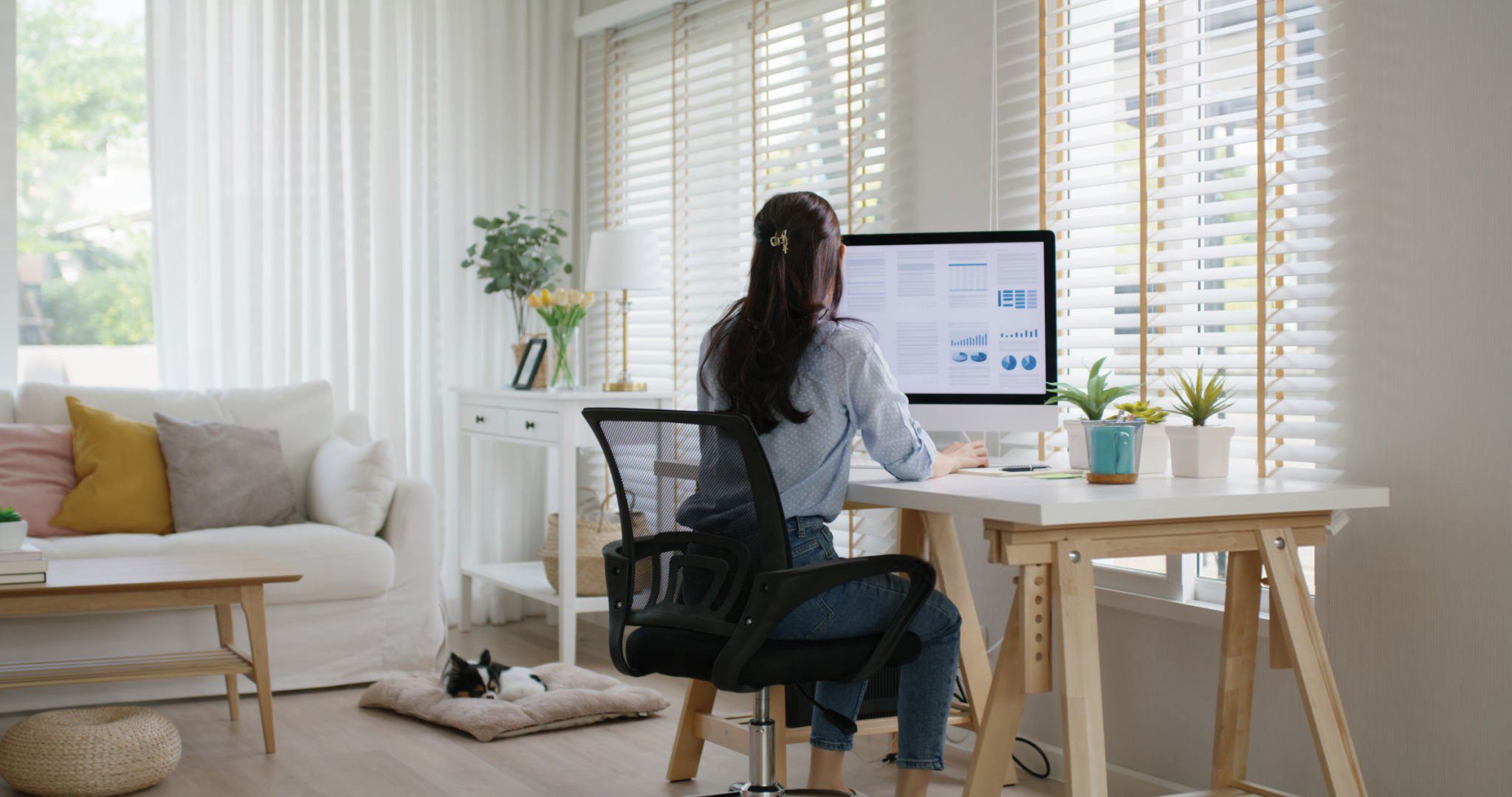
The global home office furniture market reached $29.3 billion in 2024 and is projected to grow to $49.1 billion by 2033, with a compound annual growth rate (CAGR) of 5.81%. The U.S. accounted for over 75.5% of the North American market share in 2024.
The market’s expansion is fueled by the rise of remote work opportunities and the growing gig economy. Seating is the largest segment, with demand for ergonomic chairs soaring as remote professionals prioritize comfort for long work hours.
Classified by material, wooden furniture dominates the market. In terms of pricing, the mid-range segment leads in sales. For distribution channels, specialty stores hold the largest distribution share, providing consumers with a wide selection and expert guidance for optimal home office solutions. Meanwhile, an increasing emphasis on sustainability and smart features is shaping consumer preferences.
Trends and Market Dynamics
The surge in remote work, fueled by digital job trends, offers unparalleled flexibility. According to the 2024 World Economic Forum report, digital jobs are expected to grow by approximately 25% by 2030.
The U.S. has emerged as a major market for home office furniture, driven by evolving work patterns, lifestyle changes, and shifting consumer preferences. The expansion of remote work has significantly impacted home office furniture demand. As more professionals and companies transition to remote setups, demand for ergonomic furniture has risen to create dedicated, productivity -enhancing workspaces. Height -adjustable desks, posture -supporting chairs, and multifunctional storage units are increasingly sought after.
Smaller living spaces are also driving demand for compact, designs that save space. According to IMARC Group forecasts, the U.S. home office furniture market is expected to reach $9.5 billion by 2032.
Technology Integration in Furniture. Modern home office furniture now features smart technologies such as charging stations, cable management systems, and adjustable lighting. These innovations provide seamless work experiences tailored to digital needs. Manufacturers are also incorporating durable, eco-friendly materials, aligning with consumer values. Such advancements contribute to the market’s rapid growth, prompting consumers to upgrade their home office setups.
Rising Health Awareness and Ergonomics. Prolonged working hours have heightened concerns about posture, spinal health, and overall well-being, pushing consumers toward ergonomic designs. Lumbar-support chairs, standing desks, and adjustable monitor stands are becoming standard for home offices. As more individuals seek to prevent work-related physical issues, this trend is expected to sustain market momentum.
Seating Leads, Wood Remains a Favorite
Seating accounted for approximately 35.3% of the market share in 2024. Ergonomic chairs are increasingly popular as remote work becomes mainstream. Comfortable, supportive chairs enable longer working hours without discomfort, boosting overall productivity. Consumers prioritize maintaining proper posture and reducing the risk of back pain, neck strain, and other musculoskeletal issues from prolonged sitting.
Wood furniture represented about 54.6% of the market share in 2024. Wood’s timeless, classic appeal suits both traditional and modern home decor styles. Oak, maple, walnut, and cherry wood offer diverse aesthetics and cater to various preferences. High-quality wooden furniture remains durable and aesthetically pleasing over time, making it a top choice for desks, chairs, bookshelves, shelves, and cabinets. These pieces can easily be customized in size, style, and finish to match individual needs.
Mid-Range Pricing Prevails
The mid-range price segment led the market, capturing around 39.5% of the share in 2024. This pricing tier appeals to a broad customer base – from budget-conscious buyers to those willing to spend a bit more for enhanced features. Mid-range furniture is perceived as delivering good value for money, offering sufficient durability and functionality without the high price tag of premium products. Most consumers’ expectations are met within this price range, solidifying its dominance in the market.
By Ca Dao