
With $69 billion in furniture imports in 2024, the U.S. market’s allure is undeniable. To truly break into this market, Vietnamese furniture businesses should consider niche strategies alongside traditional approaches, according to Justin Duong, founder of Bee Construction Inc.
* Economic analysts predict favorable conditions for Vietnamese furniture exports to the U.S. with the new presidential term. As someone operating a business in the U.S., how do you view this opportunity for Vietnamese furniture companies?
– I believe 2025 will be a pivotal year. President Trump, with his business-oriented mindset, tends to make decisive policy moves. Competitors like China, Mexico, and Canada face tightened trade policies and higher tariffs, indirectly creating an opening for Vietnam. With skilled labor and competitive production costs, Vietnamese companies have a unique opportunity to expand their presence in the U.S. market.
Despite Vietnamese furniture exports growing 20% year-over-year in 2024, they only accounted for around 10% of the total $69 billion in U.S. imports, mostly in loose-item manufacturing. The growth potential is enormous, especially in the project-based segment. Over the next four to six years, regardless of additional tariffs on Mexico or Canada, the opportunity for Vietnamese furniture remains vast.
* What factors contribute to Vietnam’s competitive edge in this market?
– The U.S. furniture market has distinct characteristics and standards. Exporters must adapt to these nuances. Labor costs for installation are high, and American consumers tend to keep furniture for long periods. However, consumer behavior is changing – over the past five years, U.S. buyers have become more open to modern European designs. Our data shows that 30-40% of Bee Construction Inc.’s customers now prefer European-style interiors, up from just 10% previously. This shift opens new doors for Vietnamese manufacturers already supplying European markets.
At the same time, Vietnamese businesses have significantly upgraded their capabilities, producing high-quality, sustainably certified products with innovative designs. This alignment between evolving consumer preferences and enhanced production capacity creates a prime opportunity for Vietnamese furniture to thrive in the U.S. market.
* How can Vietnamese furniture companies expand their footprint in the U.S.?
– Bee Construction specializes in design and construction in the U.S. We see substantial demand for furniture in this sector. However, investors often struggle to connect with Vietnamese manufacturers, who are primarily focused on OEM production for big brands.
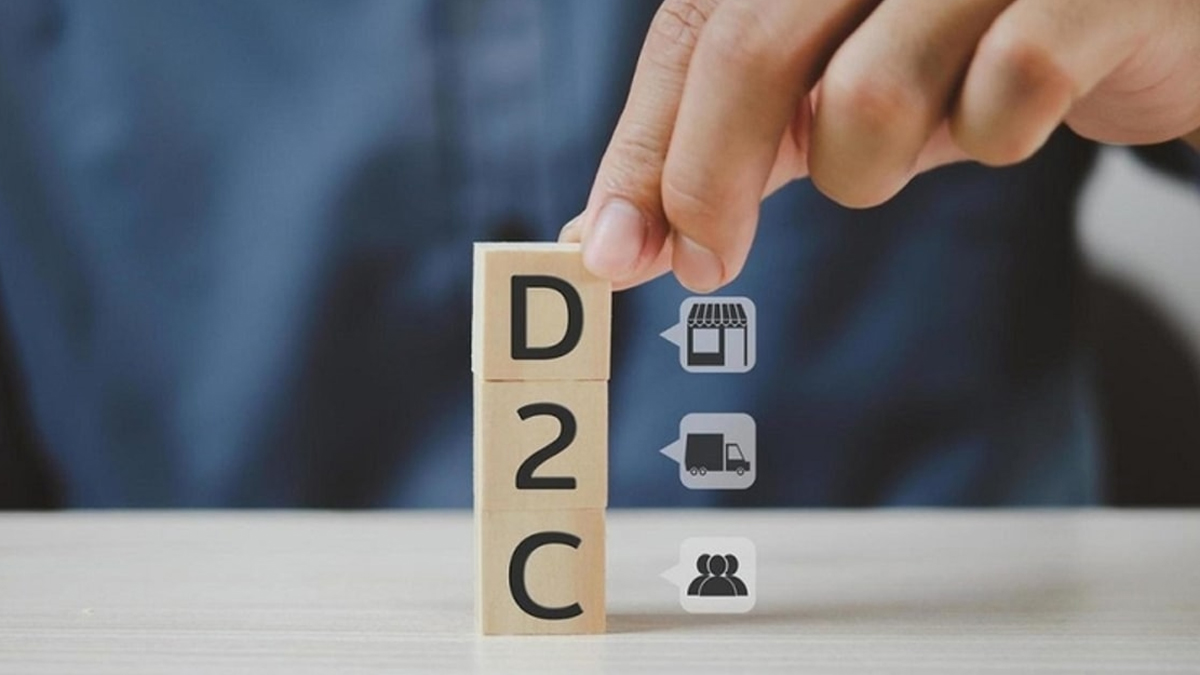
The direct-to-consumer (D2C) model is rapidly growing. If we can link factories directly with project investors, export opportunities will multiply.
* How can these connections be built?
– With over a decade of industry experience, Bee Construction has a team of 200+ experts managing projects of all scales. We use tech-driven project management systems to ensure transparency and efficiency for investors, contractors, and designers alike.
Understanding the challenges Vietnamese factories face when entering the U.S. market, we’re ready to act as a consultant – helping businesses navigate U.S. standards, refine product lines, and streamline logistics. In the American construction sector, labor costs can account for 40-50% of a project’s value. Construction firms often handle interior installations, so furniture suppliers must offer both high-quality products and cost-effective installation solutions.
Bee Construction can oversee R&D, provide legal guidance, and supervise production. We aim to be a bridge for Vietnamese manufacturers seeking a foothold in the U.S. project segment, accelerating their entry into supply chains safely and efficiently.
* What are your thoughts on the demand for project-based furniture?
– While large hotel chains have long-standing partners, there’s immense demand beyond that – for housing, apartments, schools, hospitals, and churches. Climate change and natural disasters are also driving up renovation and rebuilding needs. By participating in these repair and new construction projects, Vietnamese businesses can access a vast pool of potential customers.
Real estate investors prioritize durability, uniformity, and reasonable costs. To tap into this segment, manufacturers must ensure product quality and cost efficiency. Investors often have initial design ideas but still rely on professional design consultants. Bee Construction, with strong design partnerships, helps tailor products to the unique characteristics of each project.
* What should Vietnamese companies be aware of when entering the U.S. market?
– Despite immense potential, the U.S. market is highly demanding. Companies must meet strict standards, obtain licenses, and understand regulatory differences across states. Indirect costs, including taxes, insurance, and state and federal fees, can reach 20% of a project’s value – a factor many foreign suppliers overlook.
State-specific policies add another layer of complexity. Bee Construction’s success comes from mastering the nuances of all 50 states’ regulations. We’ve developed training programs for project supervisors and collaborate with local workers to optimize costs and timelines. If furniture manufacturers need manpower, we can provide tailored teams for each state.
* Can Vietnamese factories fully serve U.S. customers while remaining in Vietnam?
– Today’s customers are demanding. They want production transparency, and control over timelines. After quality, speed of delivery is the next priority – followed by cost and other factors. Businesses need to recognize this and be proactive.
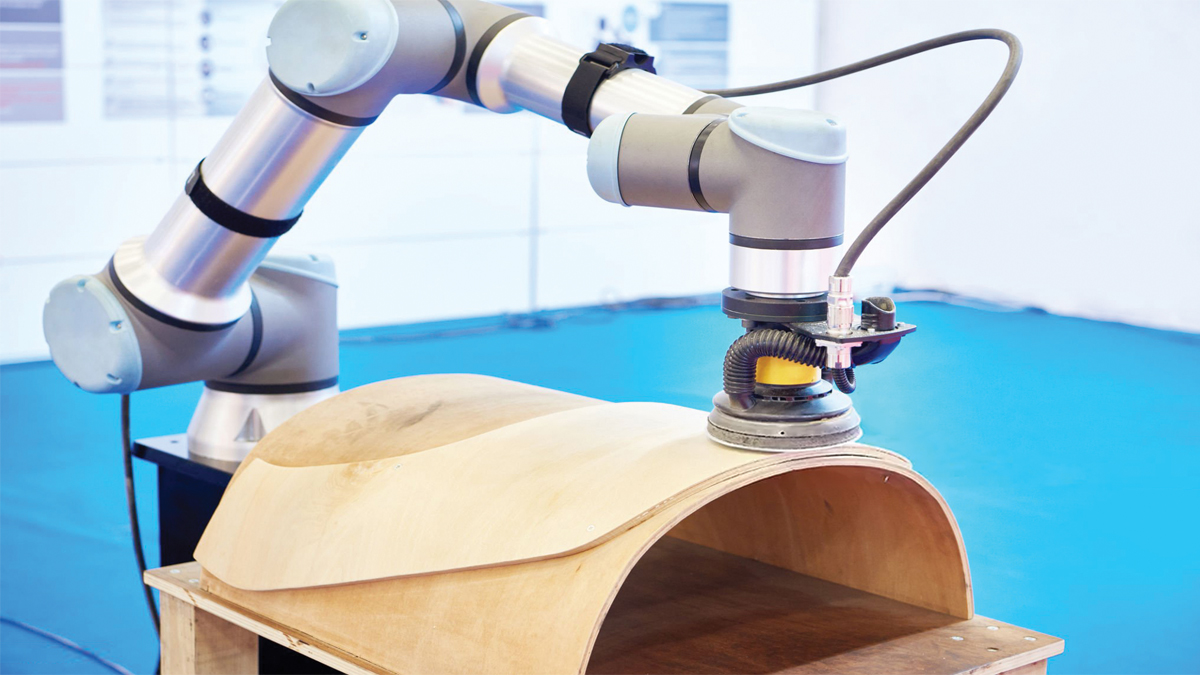
Automation is another game-changer, reducing labor dependency. Vietnamese companies can even consider opening U.S.-based finishing workshops or R&D centers to get closer to the market. Starting small with R&D, then feeding those insights back to Vietnamese factories for scaled production, is a strategic path forward.
* Thank you!
Interview by Gia Long