
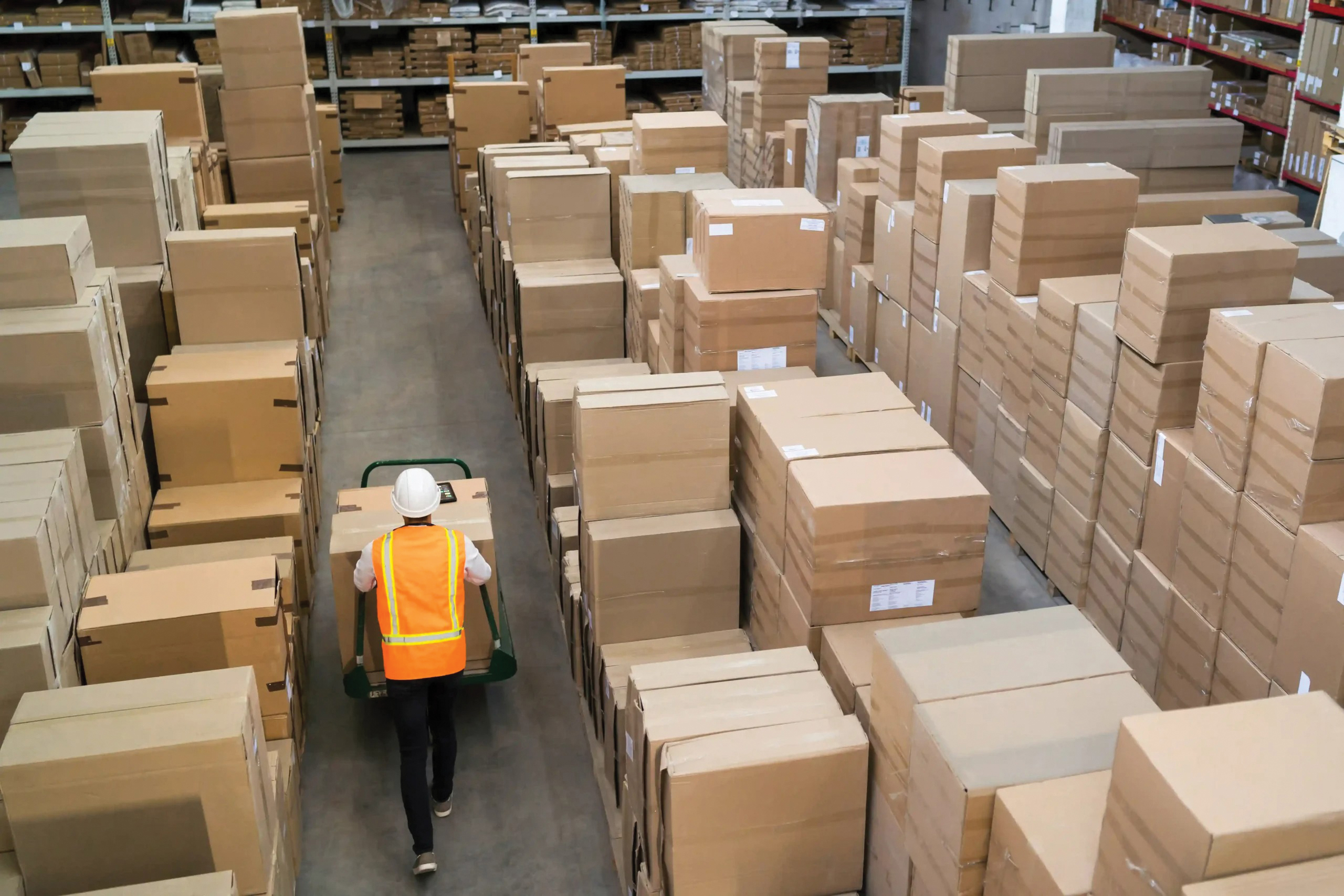
To expand into international markets and directly reach end-users, Vietnamese furniture enterprises must establish the most effective and suitable logistics operations, with technology serving as a crucial foundation.
The Rise of New Business Models
The year 2024 has witnessed significant upheavals in the global logistics industry, greatly impacting supply chains and business operations, including those of Vietnamese enterprises. From the Red Sea crisis and port strikes in the U.S. to unexpected natural disasters, various challenges have demanded that businesses adapt with agility.
Such disruptions have caused supply shortages and extended delivery times-especially on routes passing through the Red Sea-while driving up shipping costs. Ocean freight rates surged by an average of 133.3% compared to 2023, placing substantial pressure on business efficiency and the competitiveness of Vietnamese goods in global markets.
In response, some businesses have boldly shifted towards new business models like B2C (Business-to-Consumer), D2C (Direct-to-Consumer), and e-commerce. These are inevitable trends in consumer goods, enabling companies to directly connect with end-users and maximize value across the supply chain. Vietnamese furniture businesses, with their resilience and adaptability, have taken their first steps on this transformative journey.
To succeed, businesses must proactively and effectively organize their logistics. B2C, D2C, and e-commerce models all require fast (sometimes within 48 hours), accurate, and efficient logistics services. This necessitates the strategic placement of warehouses in locations with convenient transport connections, close to major consumer markets. Companies may consider transitioning from regional distribution centers to smaller, localized warehouses to shorten delivery times.
Investment in information technology is essential to establish an end-to-end system, from order intake to delivery, ensuring order tracking and the best possible customer experience. Most importantly, selecting logistics partners capable of providing end-to-end services with contingency plans for unforeseen circumstances is crucial.
The Role of Fulfillment and Last-Mile Delivery
Accounting for over 55% of Vietnam’s furniture exports, the U.S. remains a key target market for Vietnamese wood and handicraft enterprises. However, this is also a fiercely competitive market that requires well-planned entry strategies to directly reach end-users.
Thanks to its robust economic infrastructure, the U.S. offers various solutions to optimize logistics and transportation. For instance, businesses can connect with major e-commerce platforms like Amazon and Wayfair, leveraging their logistics networks for order fulfillment. The U.S. furniture market on e-commerce channels is growing steadily, projected to reach $177 billion by 2029. With Amazon commanding over 40% of North America’s e-commerce market share, this presents a golden opportunity for Vietnamese products.
Beyond e-commerce platforms, businesses can collaborate with furniture retailers, ship products through their systems, or independently sell through discovered channels. In such cases, companies need to proactively arrange logistics activities to deliver goods to customers. Partnering with service providers offering comprehensive shipping solutions from Vietnam to the U.S. is another viable option.
Notably, companies can search for fulfillment and last-mile delivery providers in the U.S. Collaborating with these partners not only supports logistics operations but also ensures a seamless customer experience. For safety and efficiency, businesses should consider partners vetted through multinational logistics companies with offices in Vietnam or through Vietnam’s trade promotion agencies.
Currently, Chinese logistics companies are expanding globally, focusing on routes between China and other Asian nations. Meanwhile, multinational companies from Europe, the U.S., Japan, and South Korea-such as DHL, Schenker, and DSV-have stronger networks with European and American markets.
However, businesses should not place too much emphasis on the logistics partner’s origin. What matters most is whether their capabilities align with the company’s goals and target markets. After all, the ultimate aim of every business is to develop an efficient logistics system, enhance competitiveness, and expand globally.
Pham Thi Lan Huong – Head of Logistics Department
Vietnam Logistics Business Association (VLA)