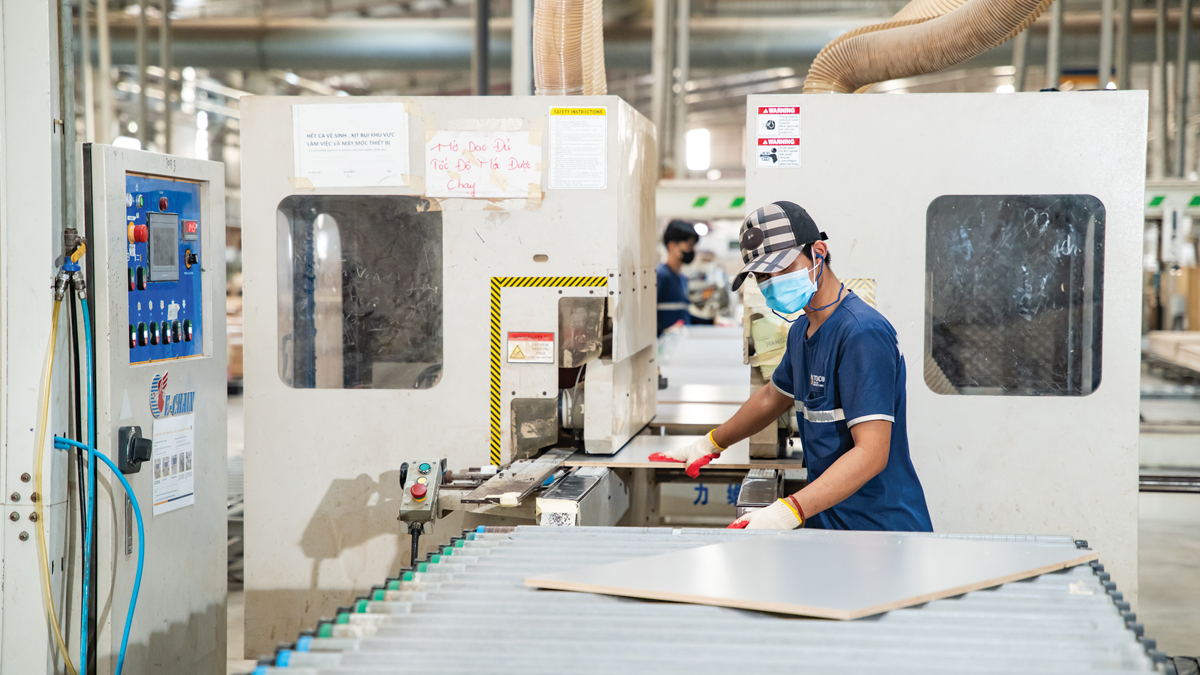

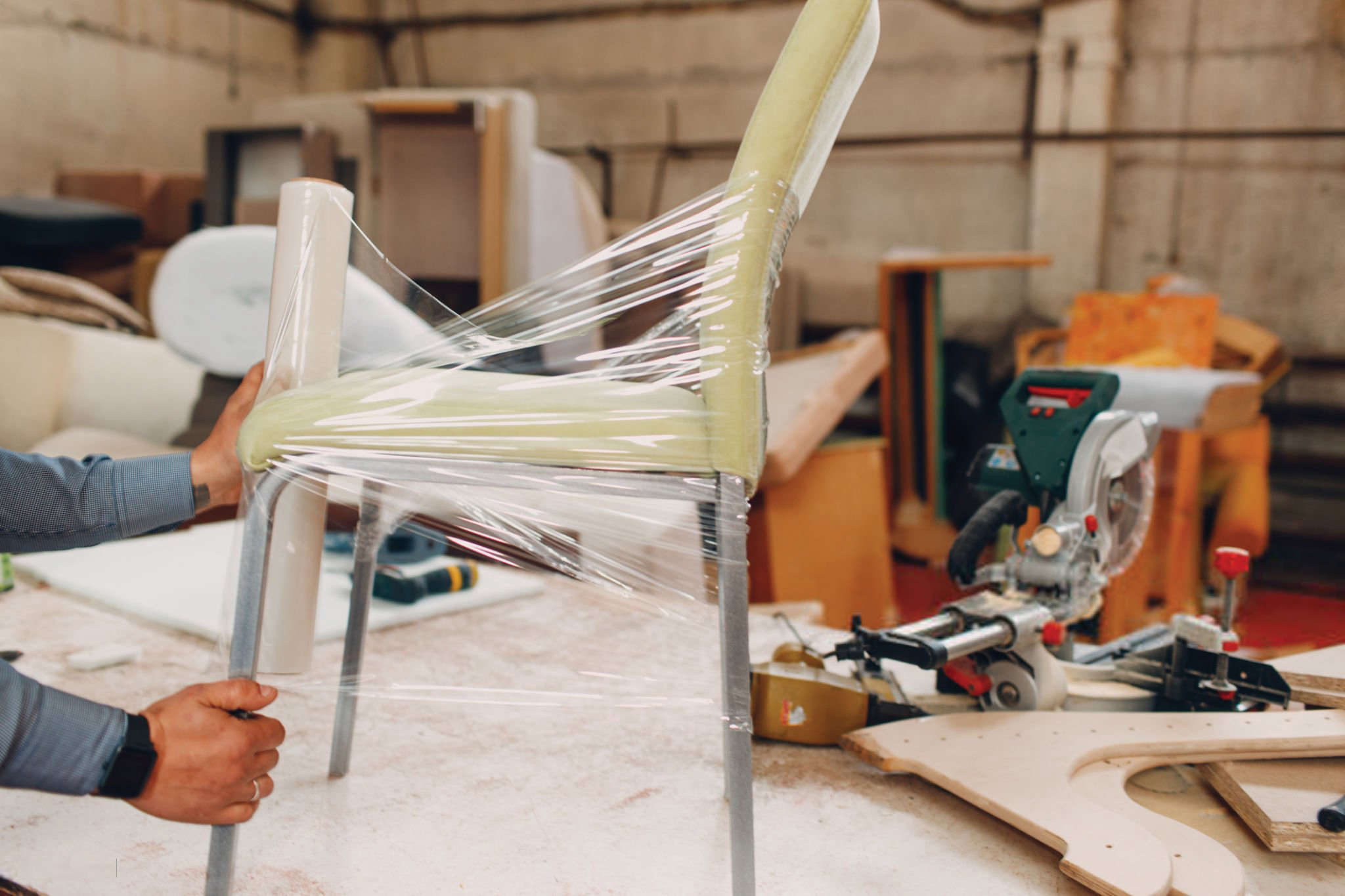
In addition to accumulating creative values, branding, trading capacity is the path leading towards higher industrial values; the one set and built by Vietnames endustry over the past 3 decades.
According to the General Department of Customs’ statistics, in January 2024, the United I I States spent 821 million USD on wood and wood products from Vietnam, a staggering increase compared with the same period of last year when the inventories were still high and buying power very low due to inflation – this is a number worth celebrating.
Transforming the mindset
The U.S market accounts for over 50% of Vietnam’s furniture export turnover. The return of American buyers is a sign indicating that the industry is crossing over the period of hardship. In January, export turnover of wood and wood products was 1.5 billion USD; 72% higher than the same period last year and still on the rise.
This heavy spending of the U.S. on these products has helped turn the industry’s negative growth number to a positive growth number. Because the U.S is a big customer, accounting for nearly 56% of January’s turnover. “Orders have returned; the wood processing industry is gradually recovering. The target turnover of wood and forestry products in 2024 is 15.2 billion USD, of which 14.1 billion USD being wood and wood products. This goal is completely feasible,” commented Mr. Tran Quang Bao, General Director of the Department of Forestry.

Even more positively, Mr. Nguyen Chanh Phuong, HAWA’s Deputy Chairman, said that if this 1.5 billion USD turnover per month continues, Vietnam can reach 17 billion USD by the end of this year. Because, besides the U.S market, Vietnamese businesses are having access to a wide range of other potential markets such as the Middle East, and especially the Indian market, with 200% growth.
With intrinsic potential and high consumption by international markets, Vietnamese businesses are entirely capable of achieving the short-term growth plans. However, in the longer term, said Bao, most businesses operating in wood processing and forestry would decide to focus more on planting forests, processing and manufacturing wood and forestry products. A major setback of the industry would be the inability to establish distribution channels, as well as their own brands. Thus, the growth however high is not without dependency and lack of sustainability. He emphasised that, “It is time local enterprises transformed the mindset from that of a manufacturer to that of a buyer, invested more on designs, and created their brands to develop trade and increase export values for the country’s industry”.
Looking for the starting point
Around the end of February 2024, Indian businessman Samuel Prashant, owner of Locobuzz Africa, arrived in Vietnam to travel and explore the market. He spent his time observing the furniture stores in Ho Chi Minh City, and was… shocked upon the discovery of myriads of cheap, low quality, and brandless products. Spending his time also at the furniture showrooms, he was shocked for the second time for discovering only the high-end European branded products. “The contrast is too big. I cannot find the local brands amidst the local country,” said he.
This gulf, between the brands and actual trade, does not only affect the local furniture industry of Vietnam but also the local consumers. Assoc. Prof. Dr. Ly Tuan Truong – Dean of the College of Wood Industry and Interior Design, said that, as the international furniture brands come to Vietnam and order products, the addition of brand values, business network gives them a consumption rate 3 to 5 times higher. Meanwhile, in reality, certain “made in Vietnam” products are being sold back to the Vietnam market, in the name of international brands and appearing at high-end furniture showrooms, with the prices multiple times higher.
Tran Tue Tri, branding expert and counsellor at Vietnam Brand Purpose, reflected that, as a lot of people are unaware that Vietnam is among the world’s top five furniture manufactures while at the same time it remains difficult right in the local market to access the local products, there will only be greater challenges in building and promoting a national brand of furniture. Therefore, the brand building should begin where the products are born.
Along with traditional cultural advantages, we also have great assistance from the government in regards to the implementation of green transformation, the local of a lot of materials and conditions to build their own brand. The starting point should be to build strategic communication strategies, in which the role of storytelling needs the recognition of flagship brands. “With the b2b model, the industry can benefit from the trade promotion programs, the international fairs.. however, to create and spread the image of Vietnam industry towards end users (b2c), we need the flagship brands, who, when combined with other industry enterprises, will form a comprehensive furniture-sphere, in which the products are introduced and displayed, creating an overall impression of the industry itself. The effectiveness in communication will be a lot higher once the modern channels are explored, and the online platforms utilised”, said Tri.
By Dang Nguyen