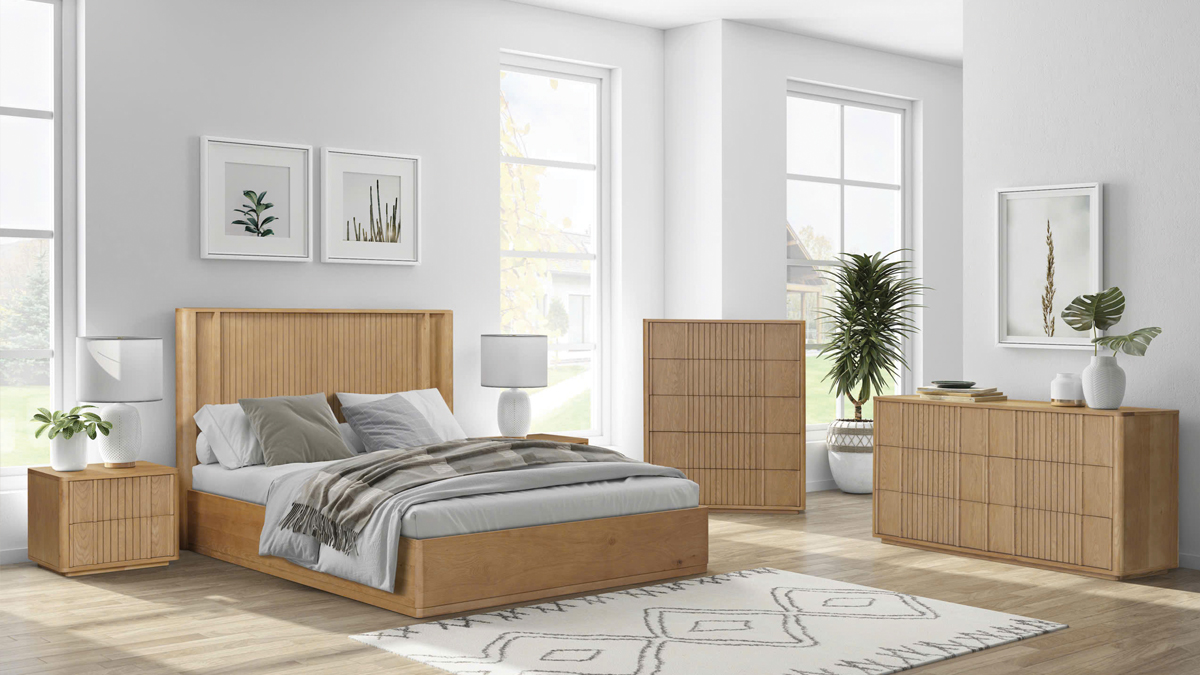

In the first eight months of 2024, Vietnam’s wood product export turnover is estimated to have reached USD 7 billion, up 21.5% compared to the same period in 2023. The key products include chairs, living room furniture, bedroom furniture, and kitchen cabinets. According to Gregoire Mercie, Regional Commercial Director, Wood Finishes Asia, AkzoNobel, fostering creativity and innovation in the manufacturing process is the way forward for all Vietnamese enterprises to maintain their competitive advantage.
* In 2023, despite a decrease compared to 2022, kitchen furniture remained an important export sector for Vietnam, accounting for nearly 9% of the overall market. As a key supplier of surface solutions to wood processing enterprises, how do you assess the potential for growth in this segment?
– The Vietnamese kitchen cabinet industry has undergone a transformation due to the shift of orders. Most of the end buyers of cabinets in the US have shifted their manufacturing factories from China to Vietnam which has seen significant investments coming to Vietnam. Although impacted by the recent economic slowdown, I believe the market is growing this year recovering from 2023 disturbance and is expected to stabilize further with the Federal reserve cutting the interest rates to boost the US economy and support the housing and associated furniture, cabinets market.
* With the return of orders after a temporary market “freeze,” are there any new requirements for manufacturers?
– The biggest change now is the rising sustainability requirements. Almost every market demands that products are more eco-friendly and compliant to the latest environment compliant. Manufacturers of interior and exterior furniture along with other industries, must meet this requirement.

The second aspect is that manufacturers require products that improve efficiency in terms of productivity and cost, thus increasing their competitive advantage. Above two demands pushes AkzoNobel to be better everyday, continually improve both efficiency and quality. In the value chain, the quality of each material which contributes to overall cost matters. When businesses choose suppliers with better quality, their overall production costs decreases.
* With the rapid changes in consumer behavior, where furniture is often chosen based on seasons or styles, is maintaining quality still essential?
– AkzoNobel works with both foreign and domestic high-end furniture, cabinet manufacturers. In the kitchen cabinet segment, customers require suppliers to consistently deliver operational excellence. At AkzoNobel, quality is our priority. The pressure we put on ourselves is to continuously innovate across all segments and aspects: sustainability, quality, productivity, and particularly design.
As mentioned earlier, reducing costs is a significant demand from manufacturers. We believe innovation will address both performance and cost.
* As a company known for its strong support of furniture manufacturers, does AkzoNobel have specific policies for Vietnamese kitchen cabinet manufacturers?
– Yes, AkzoNobel focus is not just the furniture industry but also the cabinet industry. AkzoNobel believes in building strategic partnerships instead of merely providing supplies. As one of the few global paint suppliers operating in Vietnam, we support businesses in their complete journey from design to production and market entry, whether these stages occur in Vietnam or design studios in the U.S. or Europe. AkzoNobel experts are present worldwide understanding the latest market , ready to work directly in furniture workshops, assist with surface design, and even provide after-sales support for specialized issues.
AkzoNobel has successfully established global color research studios particularly in the world’s furniture hubs like the U.S. We can help manufacturers stay ahead of trends in color and surface design.
* Could you elaborate on the unique aspects AkzoNobel brings to furniture and cabinet manufacturers?
– The first difference is that AkzoNobel’s technical team works directly at the furniture production sites, ensuring that the surface techniques and application processes are executed precisely. Historically cabinets primarily focused on traditional style clear finishes – However, recently we see a strong demand coming from the pigmented colors mainly catering the modern style for young generation.
As a corporation committed to sustainable development, AkzoNobel’s green, eco-friendly certifications align with the new demands of green consumerism. Additionally, construction times are shortened, saving both energy and manpower for businesses. AkzoNobel also plans to focus water-based coating systems for interior and exterior furniture in the Vietnamese market.
* With kitchen cabinet exports reaching nearly USD 1 billion in 2023 and significant growth in the first eight months of 2024, how do you forecast the growth by the end of the year?
– Vietnam’s kitchen cabinet market is currently estimated to grow by about 25-30% in 2024 compared to last year. However, AkzoNobel has experienced more than 50% growth in this segment during the first half of 2024. This means we are outpacing the market, and our solutions are genuinely effective.
The U.S. market is gradually stabilizing, and Vietnamese kitchen cabinet manufacturers continue to enjoy favorable conditions. AkzoNobel identifies Vietnam as a key supply hub for the international kitchen cabinet market. Therefore, in addition to current situation, AkzoNobel is increasing investments in production, research, and development (R&D) to provide maximum support for manufacturers. This is the path of mutual growth for us and our customers.
* Thank you!
According to Mordor Intelligence, the global kitchen cabinet market size is estimated to reach USD 75.66 billion in 2024 and is expected to reach USD 96.05 billion by 2029, growing at a CAGR of 4.89% during the period 2024 – 2029.
By Mai Tran