
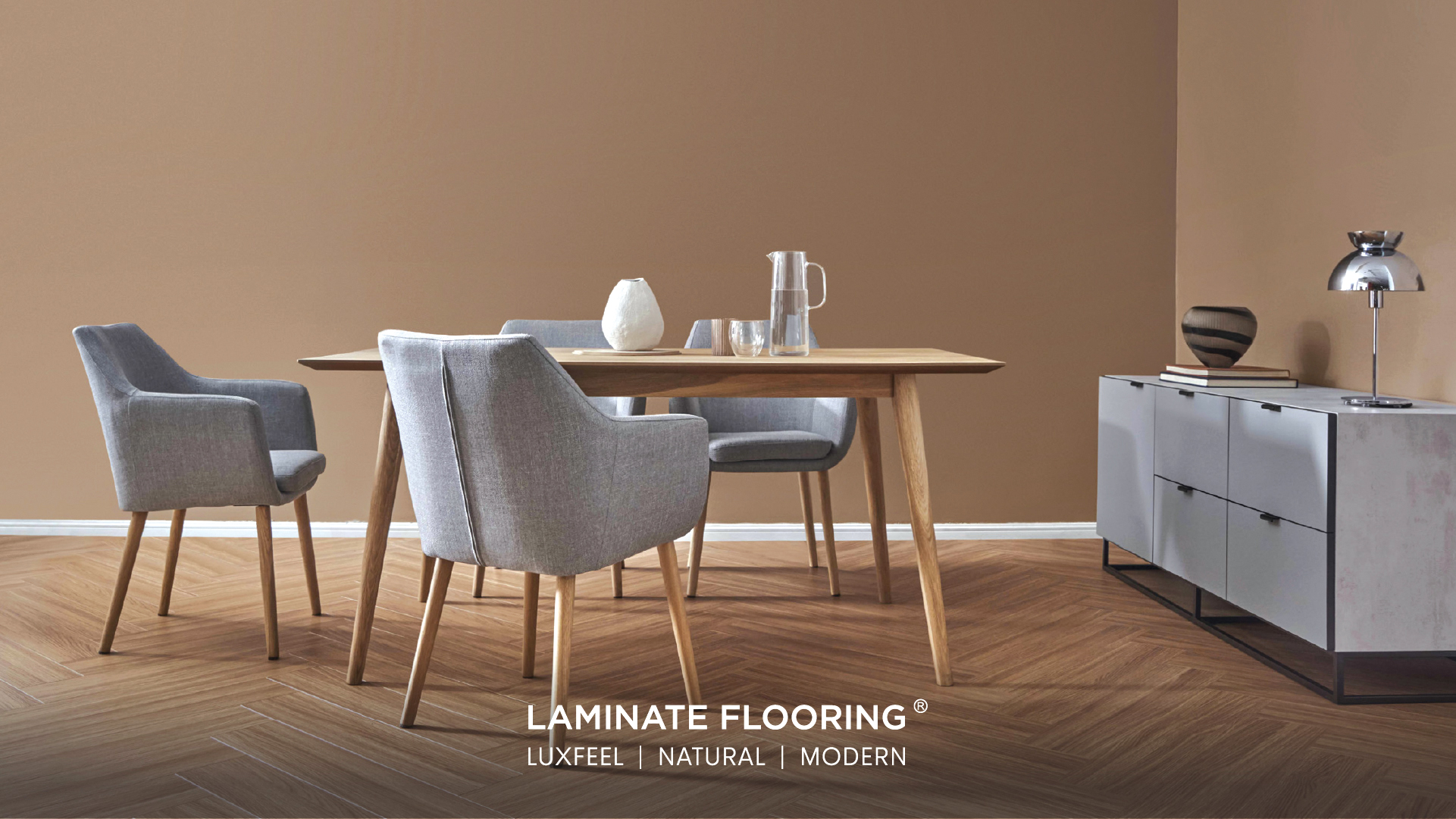
Every business chooses its own execution model. An Cuong once failed in the U.S. market with a do-it-all-yourself mindset, until it found the right local partners. An Cuong’s approach to reaching American consumers is a comprehensive strategy, encompassing new product development, deep engagement, support, and a commitment to long-term partnerships.
* An Cuong is a leading company in the production and supply of interior materials, especially engineered wood, in Vietnam. When expanding into highly competitive international markets like the U.S., what specific actions has the company taken?
– The U.S. market has strong purchasing power and high expectations for quality and design, making it an ideal playground for us to challenge ourselves and elevate our brand. But initially, we failed completely.
That was when An Cuong was “swimming alone,” directly supplying flooring, kitchen cabinets, and shelves to construction projects. At the time, we believed that by bringing our products straight to consumers, we could compete fairly with international brands.
* What were the main difficulties An Cuong faced when going solo in the U.S.?
– The first issue was cost. The U.S. market requires significant investment in marketing and brand building. Secondly, cultural differences, business practices, and technical standards created substantial barriers. Another challenge was labor costs. Hiring workers in the U.S. is expensive, and local craftsmen, accustomed to traditional methods, may hesitate to adopt new, high-tech products.
* What made An Cuong decide to change its strategy?
– We realized that even with high-quality, competitively priced products, it would be extremely difficult to access large projects without a trusted guide who understands the local market and culture.
We decided to partner with experienced and, reputable local firms with extensive networks. These partners, well-versed in the U.S. market, helped us gain access to potential projects, while minimizing risks and costs.
* What specific benefits have these partnerships brought to An Cuong?
– They served as general contractors, connecting us to large projects and advising on design. They understand the market, have project execution experience, and maintain relationships with investors, construction contractors, and designers. On the other hand, we focused on technical aspects, marketing support, sales, and product quality assurance – essentially preparing everything so that our partner could concentrate solely on sales.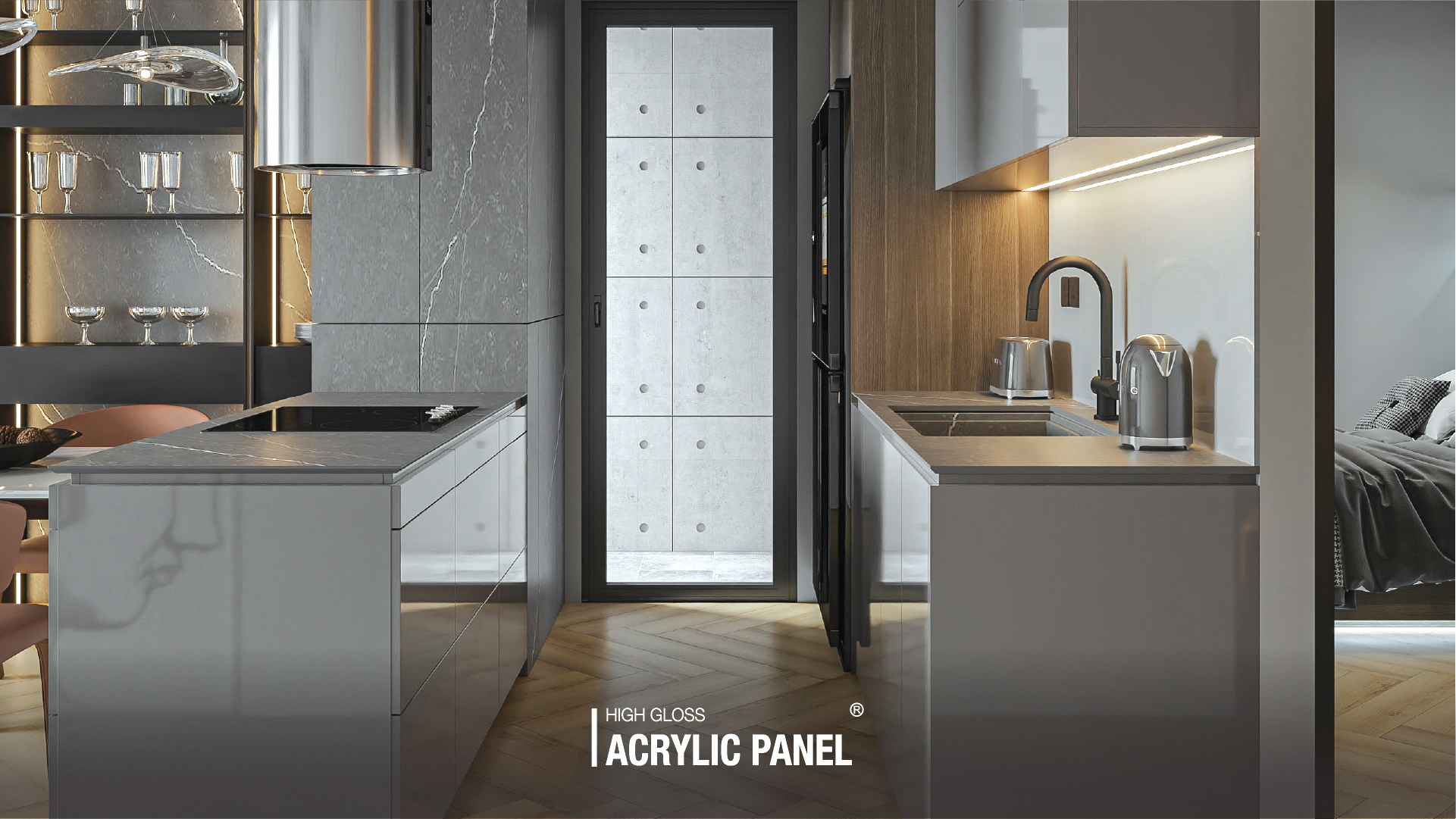
Thanks to this approach, An Cuong can focus on production, cut costs and reduce workforce demands in the export market. Currently, we have three strategic partners across the U.S., and this collaboration has delivered highly positive results. In 2024, An Cuong’s export revenue reached $40 million, with U.S. orders fully booked until June 2025.
* Could you share the key to building successful partnerships in the U.S. market?
– I believe trust, respect, and transparency are essential. We should view partners as companions, sharing both rewards and risks to grow together. Additionally, understanding American business culture and legal frameworks is crucial. Most importantly, businesses must adhere to the “win-win” principle for mutual benefit.
* Besides deep partnerships, is there another way for Vietnamese furniture companies to reach American consumers directly?
– I see great potential in e-commerce. This is an effective market entry channel, especially for small and medium-sized businesses. Through e-commerce platforms, we can reach millions of potential customers across the U.S., promote products, and build our brand at a reasonable cost.
* What should Vietnamese businesses do to effectively tap into the e-commerce “gold mine”?
– They need to prioritize product quality, enhance customer service, build strong brands, and develop a well-structured marketing strategy. In any investment decision, businesses must conduct thorough research, maintain discipline, and dig deep into solutions. They should leverage their strengths, specialize in core competencies, and outsource non-core tasks while carefully selecting the right market segment. Investing in technology, production processes, and quality management is also crucial to creating competitive products. Ultimately, the correct mindset and operational methods play a decisive role in a company’s success.
* Given today’s volatile landscape, should businesses join forces to strengthen their competitiveness?
– Absolutely. Collaboration enhances strengths and competitiveness. Trying to handle everything in-house – from warehousing and factories to logistics – can easily lead to failure.
* Besides business efforts, what policies should the government implement to help Vietnam’s wood industry grow sustainably and expand globally?
– I hope the government will invest in transportation infrastructure and enhance logistics systems to reduce shipping costs and facilitate exports.
Wood processing is a national strength, so we need specialized industrial zones dedicated to the wood industry to create a centralized, efficient production environment. Additionally, organizing trade promotion activities to showcase Vietnamese products on the global stage would be highly beneficial.
* Thank you!
With nearly 30 years of experience, An Cuong currently operates two large-scale factories with nearly 3,000 employees and a nationwide distribution system. It is Vietnam’s largest exporter of engineered wood kitchen cabinets to the U.S., directly competing with German and Italian brands. In 2024, An Cuong’s total revenue exceeded $180 million, with the domestic market still accounting for the largest share.
Interview by Victor Tran