

The “Resource Integration” model – a method combining technology, flexible supply chains, B2C (Business-to-Customer)/D2C (Direct-to-Consumer) strategies, and e-commerce – can help Vietnamese businesses optimize operations and adapt to evolving market dynamics.
With the “America First” commitment, the second Trump administration has imposed an additional 20% import tariff on all goods from China. There is even a 25% tariff on steel, aluminum and semiconductors. Furthermore, the administration , is considering to extend tariffs to raw wood and wood products. Meanwhile, stricter policies on illegal immigration and demands for fair trade with partners further strain global supply chains.
Considering the Challenges
Vietnam’s furniture industry, a key export sector, faces significant disruptions. In 2024, Vietnam’s furniture export turnover reached approximately $16.5 billion, with the U.S. accounting for 55% of the market. However, new tariff policies could drive up business costs, erode competitive advantages, and shift trade flows.
Vietnam’s trade surplus with the U.S. hit $123.5 billion in 2024, ranking third among countries with the highest surpluses. This could prompt stricter import controls. Additionally, U.S. allies like Europe, Canada, and Mexico face the same 25% tariff pressure, further complicating global supply chains.
Adapt and Thrive
To navigate these challenges, Vietnamese furniture businesses must proactively adapt and consider the “Resource Integration” model to optimize operations through technology, flexible supply chains, B2C/D2C strategies, and e-commerce.
Reaching End Users: Typically, $100 FOB furniture in Vietnam sells for $300-$400 in the U.S. due to high distribution costs (logistics, branding and sales expenses). A 25% tariff increase would severely impact businesses solely relying on FOB exports. However, selling directly to end consumers can significantly reduce the impact of tariffs – a strategy that many Chinese companies have successfully implemented.
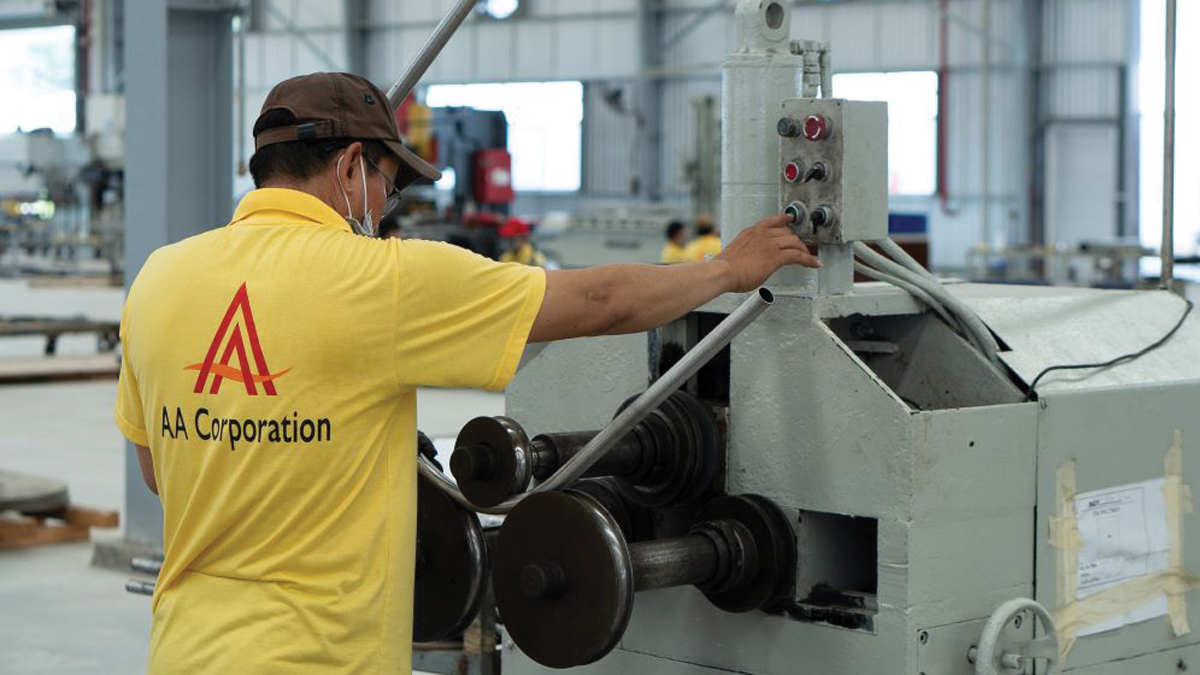
Beyond Manufacturing: Rather than focusing solely on product sales, businesses can offer complete interior solutions. AA Corporation, An Cuong, and Tran Duc successfully demonstrated this. In the U.S. market, there is vast, unmet demand for comprehensive interior solutions for homes, apartments, hotels, commercial spaces, and restaurants – part of a $140 billion annual furniture and decor market. By tapping into this demand, businesses can increase value while mitigating tariff risks.
Leveraging E-commerce: According to eMarketer, global e-commerce sales are projected to reach $6.3 trillion by 2025, with furniture occupying a growing share. Companies like Lam Hiep Hung, Yes4All, and Thanh Thang have successfully transitioned to online sales, expanded B2C/D2C models in the U.S., reduced intermediary costs, boosted profit margins, and gained better control over customer experience.
To successfully implement this model, businesses need to:
– Build a robust digital platform: Invest in e-commerce systems connected to international platforms like Amazon, Wayfair, and Walmart.
– Integrate online and offline sales channels (O2O): Maintain moderately sized physical showrooms alongside virtual showrooms and digital tools to build customer trust, while scaling online channels for cost-effective global market access.
– Synchronize marketing and sales resources: Develop a strong digital brand presence, optimize SEO, automate sales processes, and establish main operations in Vietnam to reduce costs. Additionally, having a local team to capture market insights and adjust business operations in real-time is crucial.
– Establish a presence in target markets: Having a physical presence, representatives, or trusted local partners in the U.S. with established networks and resources can help Vietnamese furniture businesses access the market faster and more securely. This presence not only supports sales but also enables businesses to capture customer demands, optimize R&D, and develop products tailored to industry needs-from designers and contractors to investors and homeowners.
Vietnam’s furniture industry is entering a volatile phase, facing significant challenges from the Trump administration’s new trade policies. However, by adopting the “Resource Integration” model and bridging Vietnam with key markets like the U.S., businesses can turn adversity into opportunity. By expanding markets and optimizing value chains, Vietnam’s furniture sector can continue to grow, deepen its roots in the global industry ecosystem, and solidify its position on the international commercial furniture map.
By Tran Viet Tien