
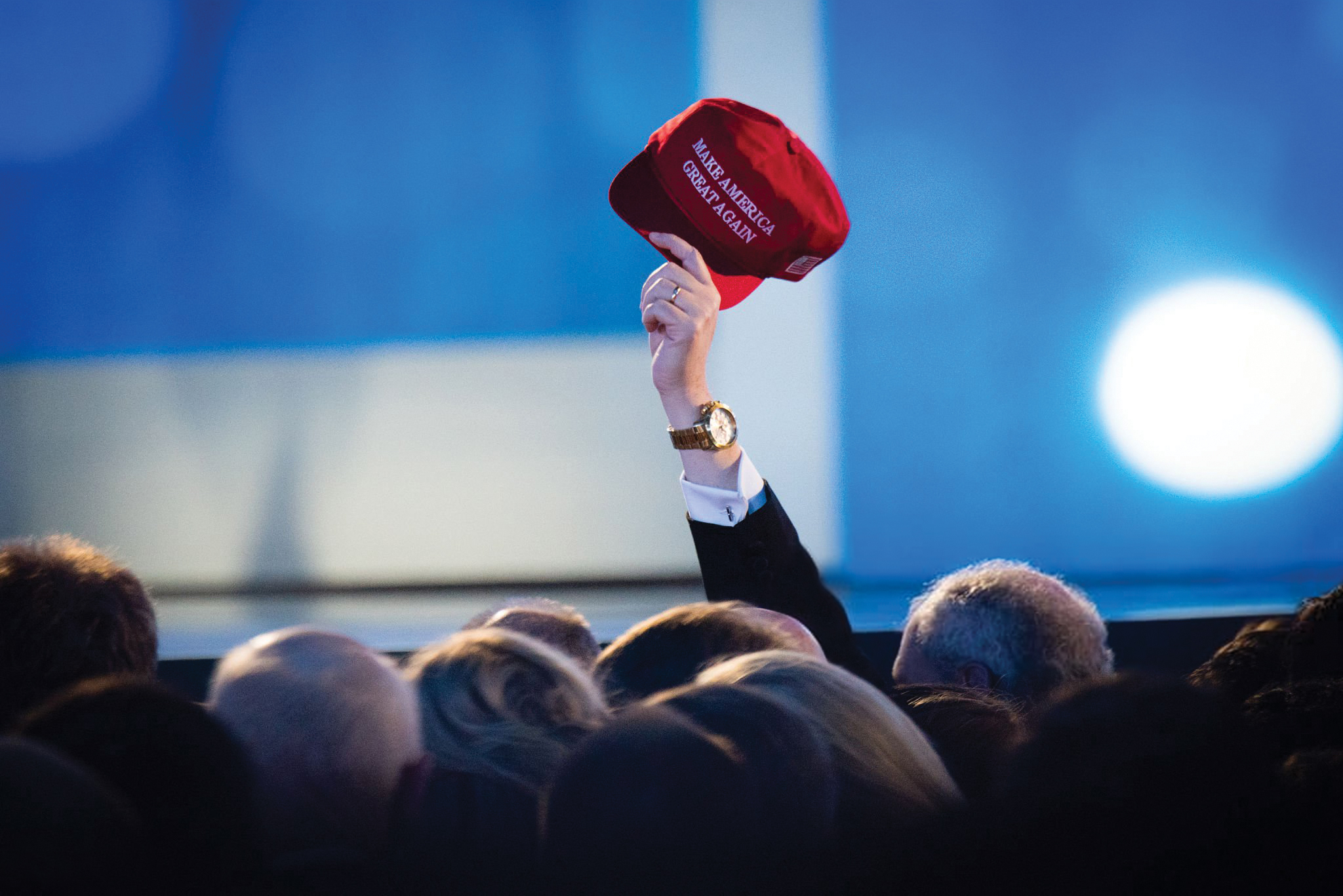
MAGA has had a multifaceted impact on the American furniture manufacturing industry in various ways. Could the dedication of companies like Vaughan-Bassett help make America great again?
Vaughan-Bassett, a high-end furniture brand established in 1919 and headquartered in Galax, Virginia, has adapted its operations to align with MAGA policy objectives.
Vaughan-Bassett: Embracing “Made in America”
As the largest U.S. manufacturer of wooden bedroom furniture, Vaughan-Bassett specializes in crafting high-quality pieces from American hardwoods such as oak, cherry, maple, and birch. The company actively promotes the “Buy American” initiative, producing more than 97% of its furniture domestically and employing over 600 American workers, contributing significantly to the local job market. With production revenue rising from $62 million in 2019 to $99 million in 2021 – a more than 60% increase – the company has reinforced its role in bolstering the American economy.
In response to global supply chain disruptions, Vaughan-Bassett has kept its supply chain primarily within the U.S., while many manufacturers struggle with supply chain breakdowns and tariffs on Chinese goods. This strategy has allowed the company to capitalize on its geographical location and the advantages of a domestic logistics system. Vaughan-Bassett also showcases a strong commitment to environmental sustainability through its “One for One” program: for every tree harvested, the company plants a new sapling. To date, over 5 million trees have been planted in collaboration with the Virginia Department of Forestry, ensuring the long-term viability of natural resources.
Vaughan-Bassett’s dedication and success serve as a prime example of how businesses can benefit from the “America First” policies championed by Trump’s administration.
A Multifaceted Impact
MAGA (Make America Great Again) is a political slogan popularized by President Donald Trump during his 2016 and 2024 election campaigns. The MAGA movement has influenced the American wood manufacturing industry in several ways. The Trump administration imposed tariffs on imported wood, particularly Canadian lumber. In his second term, President Trump maintained a 25% tariff on Canada and Mexico and increased existing tariffs by 20% for goods from China. While these measures aim to protect domestic manufacturers, they may also increase costs for construction companies and consumers. Trade tensions, especially with China, have made it more difficult for American wood manufacturers to export their products, hurting businesses that rely on global markets.
Beyond tariffs, the MAGA agenda has prioritized bringing manufacturing back to the U.S., encouraging investments in domestic wood production facilities. At the same time, efforts to roll back some environmental restrictions on logging, especially in national forests, aim to increase domestic wood supply. However, these measures raise concerns about environmental sustainability and could limit American wood exports, as producers must comply with strict international environmental standards, such as those set by the European Union’s anti-deforestation regulations.
Another challenge MAGA presents is stricter immigration laws, which may reduce the labor supply in the wood processing and construction sectors, leading to workforce shortages and higher production costs. To take advantage of tax incentives, some companies have reshored production. This shift aims to boost domestic manufacturing and reduce reliance on foreign imports. American furniture companies, like Vaughan-Bassett, have adopted innovations such as artificial intelligence and robotics to enhance global competitiveness. These technologies are expected to play a crucial role in reviving American manufacturing.
Regarding raw materials, companies have focused on leveraging local resources and renewable energy in wood processing, thus supporting the industry while aligning with environmental goals. Under MAGA’s multifaceted influence, American wood enterprises have had to adjust business strategies to adapt to Trump’s policies while navigating challenges like potential labor shortages, regulatory changes, and evolving global trade dynamics.
By Pham Hong Thuy