
In the past, U.S. companies often outsourced manufacturing to countries like India, China, and Vietnam. However, this trend has recently reversed, with reshoring replacing offshore production. Similarly, regions like Hong Kong are now looking to the U.S. as a way to cut operating costs.
Considering Reshoring
During the early days of multinational corporations, moving production overseas made sense. Consumers were happy with affordable furniture, clothing, and textiles, while large enterprises benefited from low foreign labor costs. But in recent years, countries like China have lost their appeal due to rising labor expenses and global economic instability. This change, combined with abundant, cheap natural gas in the U.S. and the growing localization trend, has sparked a reshoring wave.
In early 2024, a Boston Consulting Group survey showed that 54% of U.S.-based manufacturers were considering bringing operations back from China, while 16% had already done so to some extent. According to the Reshoring Initiative, a research group funded by the industry, the combination of reshoring and foreign direct investment created 60,000 manufacturing jobs in the U.S. last year, compared to 30,000–50,000 jobs overseas. While this number may not be enormous, it is noteworthy.
Airbus Lands in Alabama, Caterpillar Leaves Japan
In September 2024, French aircraft manufacturer Airbus announced plans to build a $600 million facility in Mobile, Alabama, creating 1,000 jobs. Beyond escaping the EUR-USD exchange rate fluctuations and gaining a foothold in Boeing’s backyard, this move lets Airbus tap into Alabama’s low labor costs – the state’s minimum wage is $7.25 per hour (the lowest in the U.S.), strikes are rare, and job-related benefits cost 30% less than in Europe.
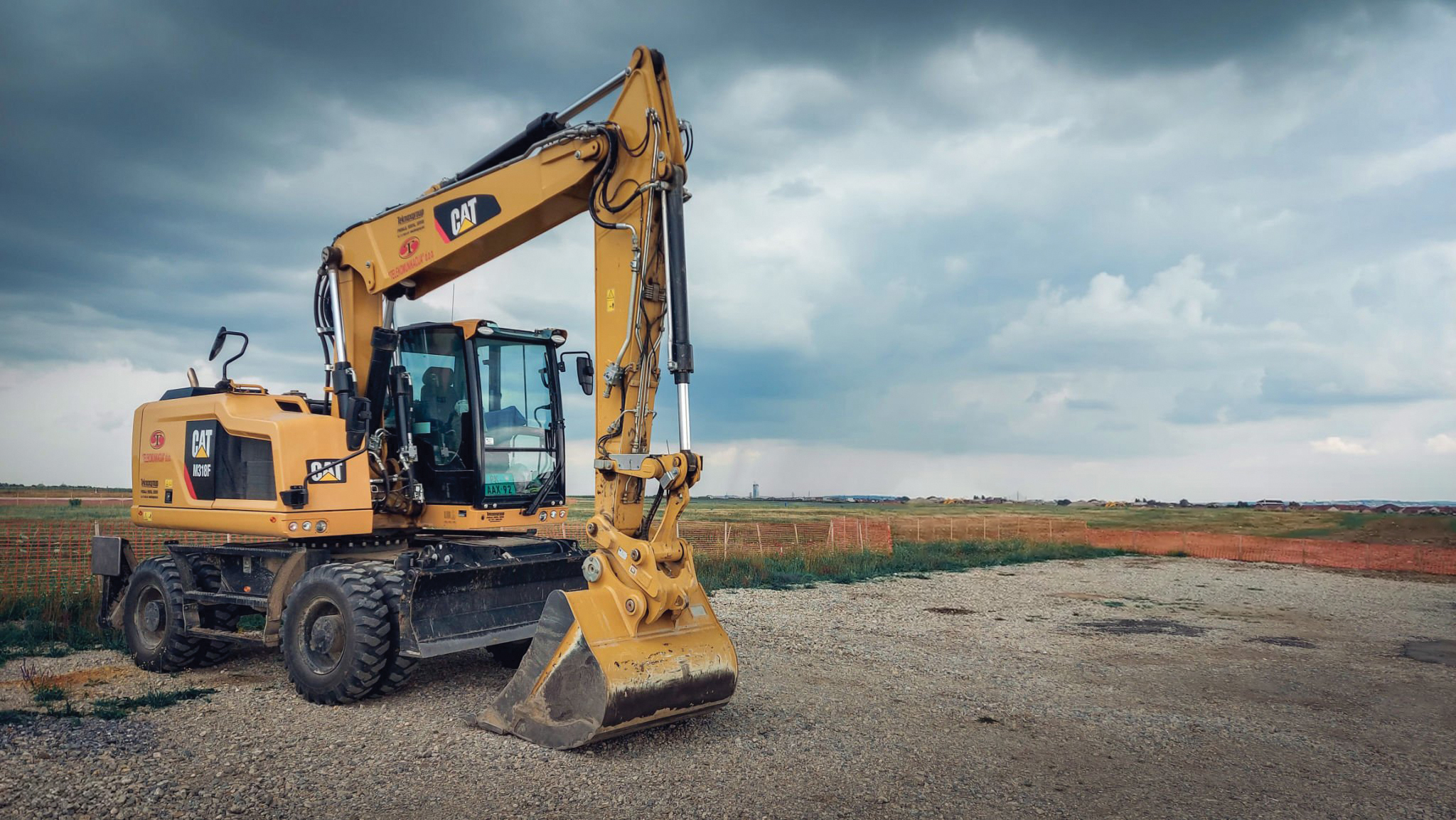
In August 2024, heavy equipment manufacturer Caterpillar, headquartered in Illinois, revealed it would shift specialized truck production from Mexico to Victoria, Texas. Dave Harris, president and CEO of HOLT CAT, said the move would create 200 jobs.
“The impact will go beyond the initial 200 jobs. It reflects the economic opportunities that HOLT and Caterpillar foresee in expanding sales, parts support, and services,” he noted.
Once a Top Offshore Choice
In 2013, Chinese textile manufacturer Keer Group built its first overseas facility in Lancaster County, South Carolina, investing $218 million and creating over 500 jobs in the cotton-producing region. Zhu Shan Qing, Keer Group’s chairman, explained, “We chose South Carolina for our first U.S. facility because of its abundant workforce, proximity to cotton producers, and easy port access”.
Apple joined the “Made in America” movement in 2013 by investing $100 million to build Mac Pro production lines in Texas. “The product is assembled in Texas, with components manufactured in Illinois and Florida, using equipment made in Kentucky and Michigan,” Tim Cook told the press. The computers ultimately carry the “Assembled in the USA” stamp, though the move was largely symbolic, as most of Apple’s revenue still comes from Chinese-made iPads and iPods.
Chinese computer manufacturer Lenovo opened a North Carolina facility in mid-2013. Though this $2 million plant created only 115 jobs, Lenovo’s presence is expected to contribute around $1 billion in annual state revenue.
Over the past half-decade, Brooks Brothers gradually phased out the “Made in China” label from its clothing. By 2013, the company produced 70% of its suits in Haverhill, Massachusetts, with 475 employees. It also made ties in Long Island City, New York, and 10% of its shirts in Garland, North Carolina.
Notably, retail giant Walmart brought 4,444 jobs back to the U.S. from various countries over the past 50 years. The company pledged to purchase an additional $250 billion worth of American-made products by 2023 in an effort create more jobs for U.S. workers.
So far, 38 companies have reshored production to strengthen their supply chains. However, choosing a manufacturing location isn’t a one-way street. A stronger U.S. dollar might push businesses back to cheaper routes, but with advancing technology and increased production capabilities, it wouldn’t be surprising if more major global companies start feeling a bit “homesick.”
By Hiep Ca