

As the growth forecast for the global economy in 2024 remains grey, businesses have to make even more efforts in the near future. joining hands to research the markets, co-constructing warehouses, and exploring free trade agreements are the solutions to help the furniture industry of Vietnam to remain at the top position in the global supply chain.
In the forecasts of 2024, there is very little sign of positivity. There was a big shift in how each household spends their money after COViD-19. Besides lost optimism, the households are now no longer prone to replacing the appliances, sports equipment, furniture, etc. they had purchased in droves during the social distancing period. In other words, as for woodbased products and furniture, export businesses still have to face hardships in the years to come demandwise, not even competition-wise.
The new challenges to face
With traditional markets like the U.S, EU, and Japan, the demand for traditional furniture items will come to a standstill, or even decline, due to the ageing population and the trend of living alone becoming increasingly common. The industry shall encounter more challenges as local businesses gradually lose the tariff advantages while many competitors are signing similar trade agreements. While Vietnam’s exports face tremendous disadvantages in terms of transport costs and delivery times compared with the competitors, we have to overcome the new challenges posed by the new export standards, especially of green production, packaging, and cross-border carbon tax. Due to the tensions between Canada and China, Canadian businesses are withdrawing from China to diversify their supplies. On top of that, Canadian consumers prefer non-Chinese products over Chinese ones. Even still, in 2023, the market share of Vietnam decreased compared to 2022. Five years after the Comprehensive and Progressive Agreement for Trans-Pacific Partnership (CPTPP), our market share increased from 4% to 6% in 2022, then decreased to 5.1% in 2023. This decrease demonstrates that, besides the declining market demands, Vietnam has not been able to benefit from CPTPP Agreement competition-wise. According to our research conducted in 2023, the HS 94 furniture products entering Canada with C/O rate make up 35%, products benefiting from MFN, 63%, while the remaining still employ GSP or are normally tariffed. Currently, the furniture products valued at 368 million CAD from Vietnam enjoy MFN tariff rates at 5 to 15.5% whereas they should be 0%, according to the Agreement. These products are car upholstery (6%), candle holders, lights, illumination equipment (5-7%), office furniture, kitchen furniture, iron-based exteriors and interiors, mattresses (8%); bamboo-made interiors, plastic-made interiors, wooden household items, children’s furniture, wood shelves, wood exteriors, natural material cushions (9.5%); cotton blankets and pillows, hybrid mattresses (14%); sleeping bags (15.5%)…
Similarly, the adoption of CPTPP form C/O and GSP with HS code products 44 are 40% and 6% respectively. And yet, 53% of them enjoy MFN incentive in export, with turnover up to 26 million CAD (most getting an MFN incentive of 0%). However, over 5-million CAD worth of products (mostly wooden boxes (7 to 9.5%) painting frames or woodcarved paintings, wood chopping slabs, wood slabs, wood-made bowls and chopsticks, decór statues, clothes hangers (6 to 7%), construction woods, wood floors (3%)…) still subject to tax rates of 3-9%, should have been entitled to 0% according to the CPTPP.
“Forgetful” about cPTPP Agreement
Besides being unable to benefit from the Agreement, there is not much diversity and flexibility in the imported products range, thus we have been unable to renew and compete with competitors from the same sector, let alone those from the higher sectors. Currently, China maintains about 36% of the market share of Canada; a 4% decline compared with 2022, the share taken over by Mexico which rose from 8 to 12%. On top of being negligent to the principle of aggregate origin in their investment strategy to benefit from the incentives in export, certain Vietnamese companies have negatively impacted the overall business by employing the imported Chinese origin components, or manufacturing everything in Vietnam, or claiming false origin to avoid taxes. Currently, upholstered household chairs have been subject to an anti-dumping tax of over 100%, which in turn impacts the exports of many other unrelated companies. According to the public opinion, Canadian manufactures are entirely entitled to submit for the governmental investigation into the anti-dumping acts in many other exported products from Vietnam such as office upholstered chairs, kitchen cabinets, or bathroom plywood-made cabinets.
After signing the CPTPP Agreement, the export turnover of Vietnamese furniture has increased, from 322 million USD in 2018 to 604 million USD in 2022 and approximately 500 million USD in 2023. The export turnover to Canada is higher than the entire EU market and still has a lot of room for growth in terms of volumes and market shares.
Research the market, find the new direction
In order to approach consumers in any market, it is fundamental to conduct market research and find out its unique characteristics in order to devise an appropriate strategy. Internationally, the major companies and business associations are willing to hire market researchers to obtain reports on trends, the risks and opportunities, or legal changes. Perhaps the local businesses of Vietnam are still at a smaller scale, unable to conduct the research by themselves while a larger strategy, at market or industry level, requires cooperation.
Besides this, the model of cost sharing in overseas warehouse operations, self-distribution to retailer channels independent from intermediaries or agents is an appropriate trend in Canada that local companies can consider. Moreover, the customer approach can be conducted via e-commerce, an economical solution for businesses to better understand the customer’s insights and deliver timely adjustments to production or business strategy.
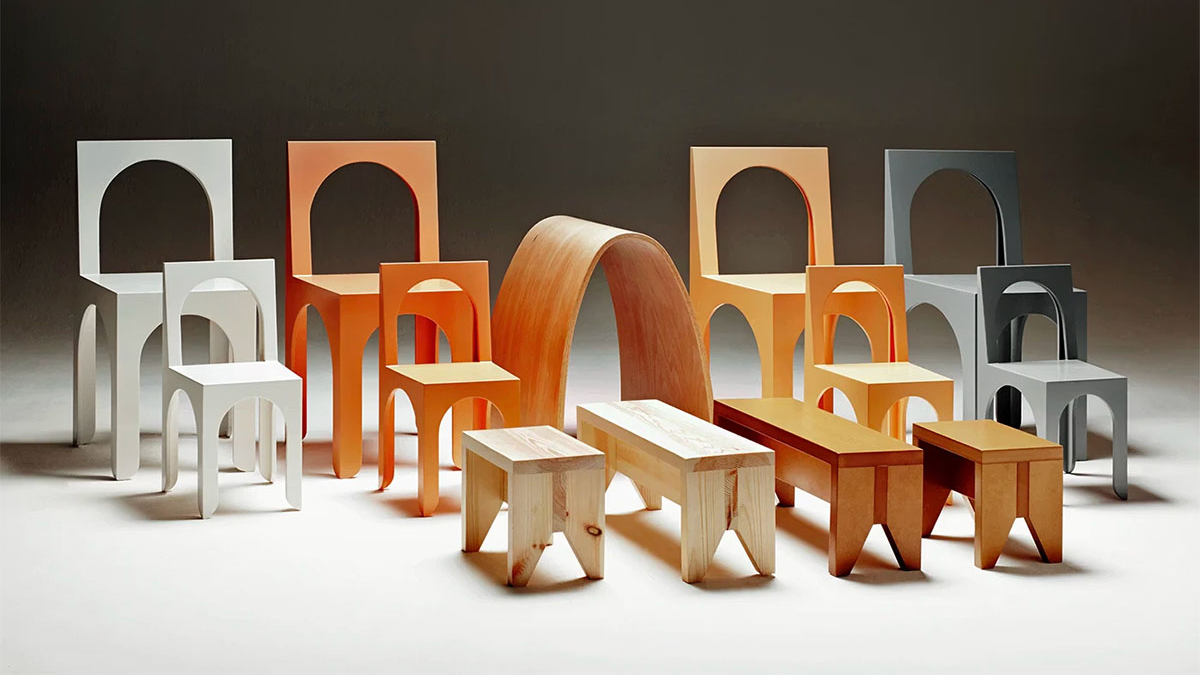
In fact, understanding market characteristics, trends in standards, and customers’ demands are the keys to improve our competitive advantages. In the long run, to increase market share and surpass other competitors, businesses and alliances will have to better invest in innovations, and be more capable of delivering very special furniture solutions, ones ethnically catered or age relevant, or aiming towards the higher, niche sectors such as smart furniture, personalised furniture (for children, the elderly people, or groups of people with specific illness or disability), or hybrid furniture (combing wood, copper, leather, stones, lacquer.).
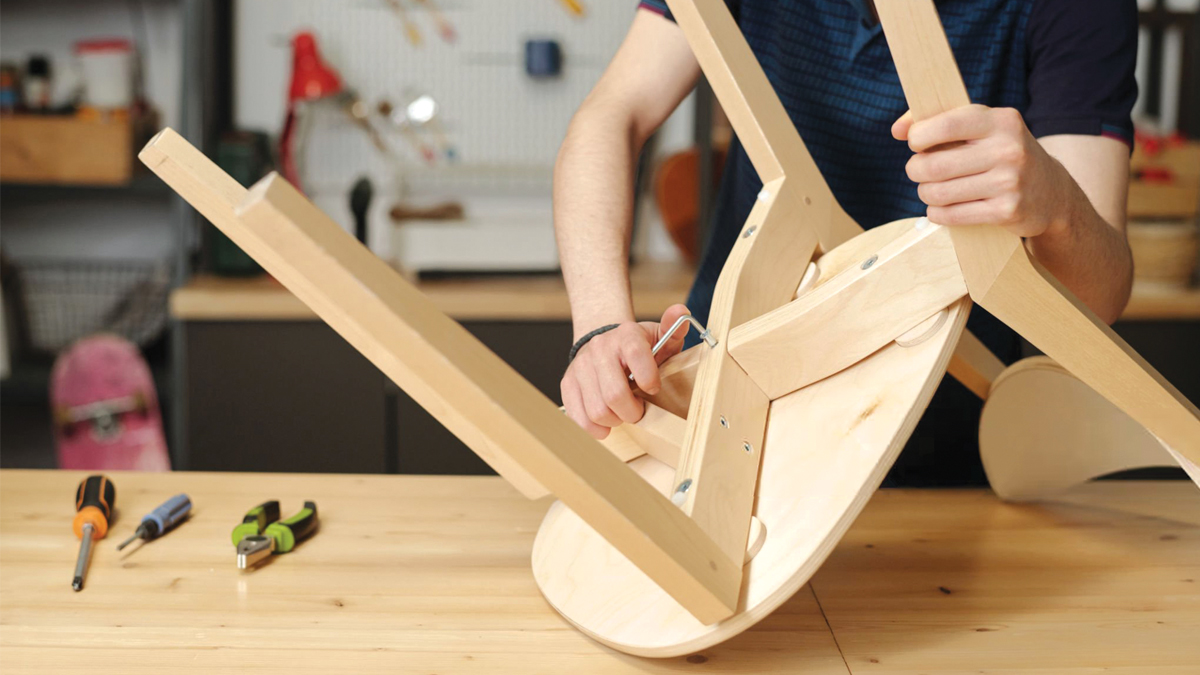
It is time we thought of building a unique identity for the Vietnamese furniture industry, seamlessly combining the designs with raw and manufactured material industries in a synchronous, complete ecosystem. In particular, with regards to the markets such as the U.S or Canada, due to expensive labour costs, the design solutions that are easy to install, remove or transport will enjoy greater opportunities.
The Vietnam Trade Office in Canada is very keen to support the local furniture industry. Besides introducing the import delegates to the trade fairs, we are always focused on lobbying the Canadian government to sponsor the projects improving the local competency while organising training programs for the officers working in the associations and businesses and actively establishing the digital platforms. In the coming time, Vietnam Trade Office shall continue promoting and lobbying even more projects to improve the competencies from which the local businesses can benefit and rise higher in the global supply chains: design – creativity – technology. Simultaneously, we will continue the activities to promote CPTPP, especially how to adopt this trade agreement to make more Canadian importers aware of the price advantages of Vietnam compared with other competitors.
Doctor Quynh Tran
Head of Vietnam Trade Office in Canada