
The emergence of manufacturing facilities in the U.S. is poised to reshape the supply chain of the world’s largest furniture market.
SBA Home, a leading furniture manufacturer from Lithuania, has announced a $70 million investment to establish its first factory in the United States.
The Investment Equation
SBA Home, the largest division of SBA Grupe, operates four factories in Lithuania with a workforce of over 3,000. The company plans to build a 500,000-square-foot facility in Mocksville, North Carolina, – a town north of Charlotte and southwest of Winston-Salem. Scheduled to begin operations in October 2025, the facility will manufacture furniture for the U.S. market and create 250 jobs across manufacturing, warehousing, administration, and management.
Mocksville is located in Davie County, which is often called the “Furniture Capital of the World”. This city in North Carolina is home to more than 800 renowned furniture manufacturers. The project is partially supported by a 12-year Job Development Investment Grant (JDIG), which is expected to generate an additional $435.8 million to the state’s economy. Using a calculation formula that factors in the company’s $50 million investment and the tax revenue generated from the newly created jobs, the JDIG agreement will reimburse SBA Home up to $1.42 million over 12 years. These payments will only be issued once the Department of Commerce and the Department of Revenue verify that the company has met its job creation and investment targets.
SBA Home is just one example of companies responding to calls to bring manufacturing jobs back to American soil. According to a survey by Medius, U.S. manufacturers report facing more challenges now than during the pandemic. Over the past six months, 78% of manufacturers have encountered significant difficulties, including rising interest rates (28%), increasingly complex global supply chains (28%), weak consumer demand (25%), and price pressures from consumers (25%).
Amid economic uncertainties, U.S. manufacturers are prioritizing costs reduction and operational efficiency (47%), integrating AI into supply chain management (38%), and focusing on protecting profit margins (36%). Notably, 69% of manufacturers have already started reshoring their supply chains, aiming to reduce dependence on overseas production and suppliers.
The Growing Value of Reshoring
The survey also revealed that 94% of manufacturers who have begun reshoring reported positive outcomes. Nearly a quarter (23%) enjoyed increased value and enhanced supply chain security. Additionally, 93% of manufacturers plan to accelerate reshoring efforts within the next two years.
However, challenges remain in a furniture industry experiencing slowing growth. Skilled labor shortages and high operational costs for enterprises embarking on reshoring projects threaten companies’ success. When asked about the biggest barriers to reshoring, business leaders identified rising costs (36%), risks associated with changing suppliers (34%), and increased operating expenses (33%) as top concerns. Moreover, 58% of manufacturers noted that reshoring would require hiring more skilled workers in the U.S. to support the transition.
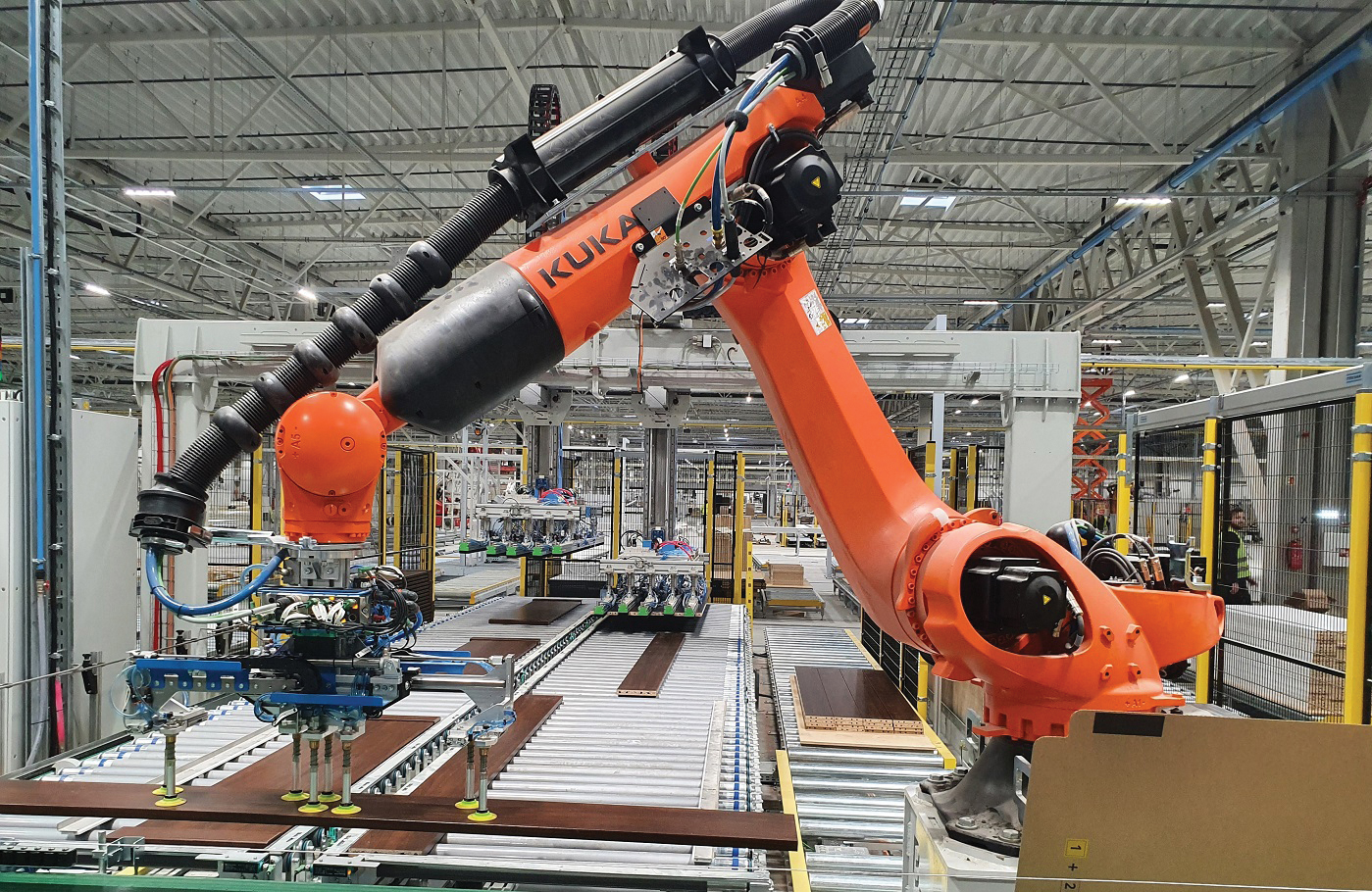
Despite these challenges, manufacturers are encouraged by technological advancements. Business leaders highlighted AI-powered order tracking platforms (34%), data analytics for risk management (33%), and generative AI for supply chain management (32%) as key enablers of reshoring. The promise of automation and the potential for faster returns on investment further fuel their motivation, with 88% of manufacturers expecting to recoup their automation investments quickly.
As manufacturers shift production back to the U.S., they anticipate several benefits for customers, such as faster desired product availability (47%), lower prices due to reduced business costs (45%), and higher product quality (44%). Beyond individual companies, reshoring is also expected to create ripple effects across various industries in the country, strengthening the broader economy.
Don Holm, Global Vice President of Value Consulting at Medius, remarked:
“In the face of tougher business conditions, U.S. manufacturers are navigating a complex maze of rising interest rates, supply chain intricacies, and evolving consumer demands. Yet, despite these obstacles, 69% of manufacturers are bringing production back home – driven by technological advancements and the opportunity for greater supply chain security without the historically high costs of domestic manufacturing. And this is just the beginning. As manufacturers embrace AI and automation, they won’t just survive; they’ll thrive in an ever-changing economy.”
Ca Dao (Source: PR Newswire and Furniture Today)